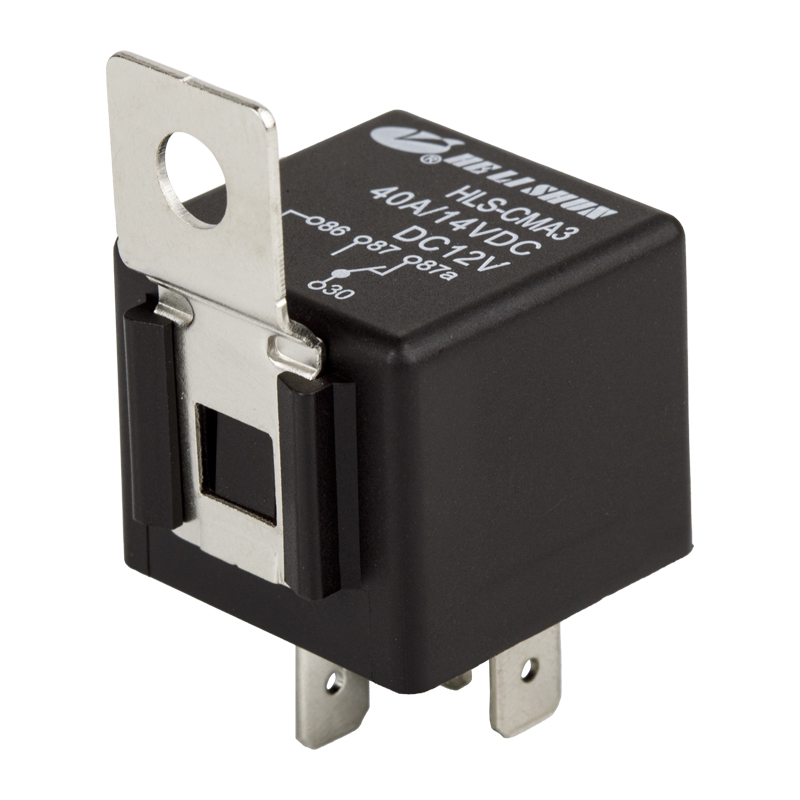
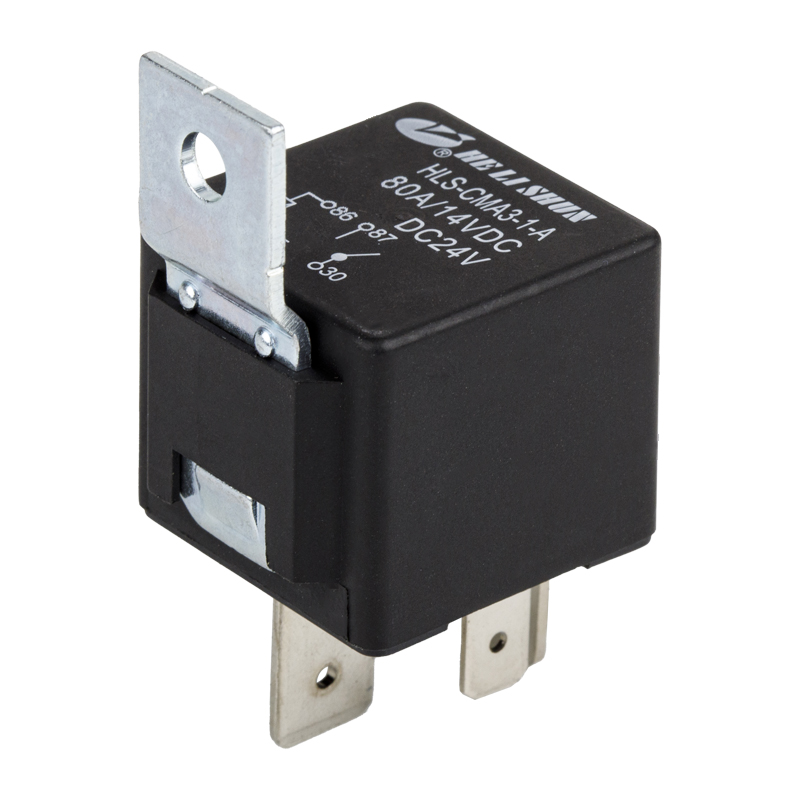
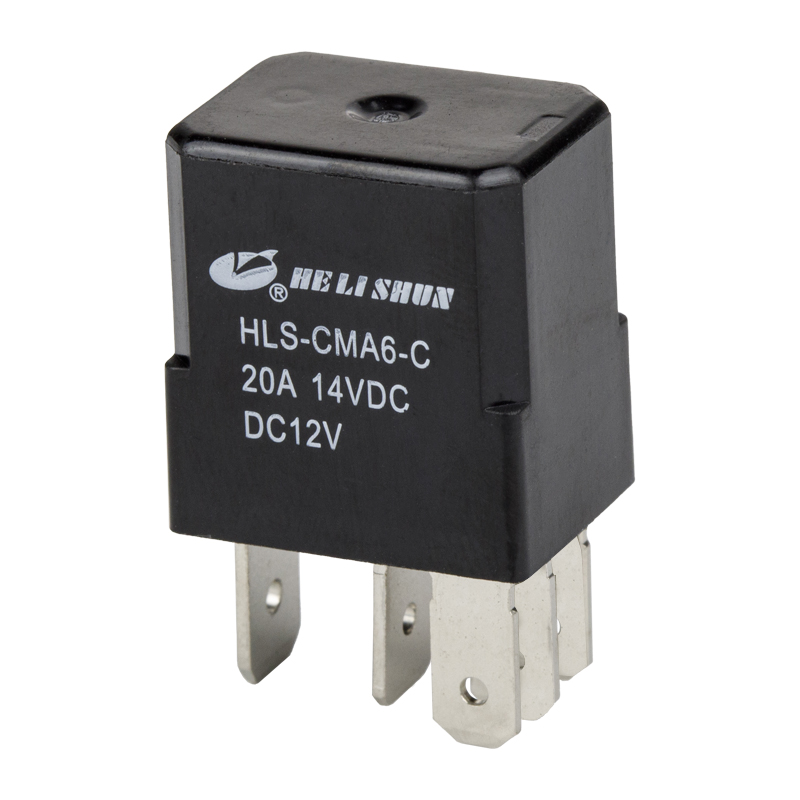
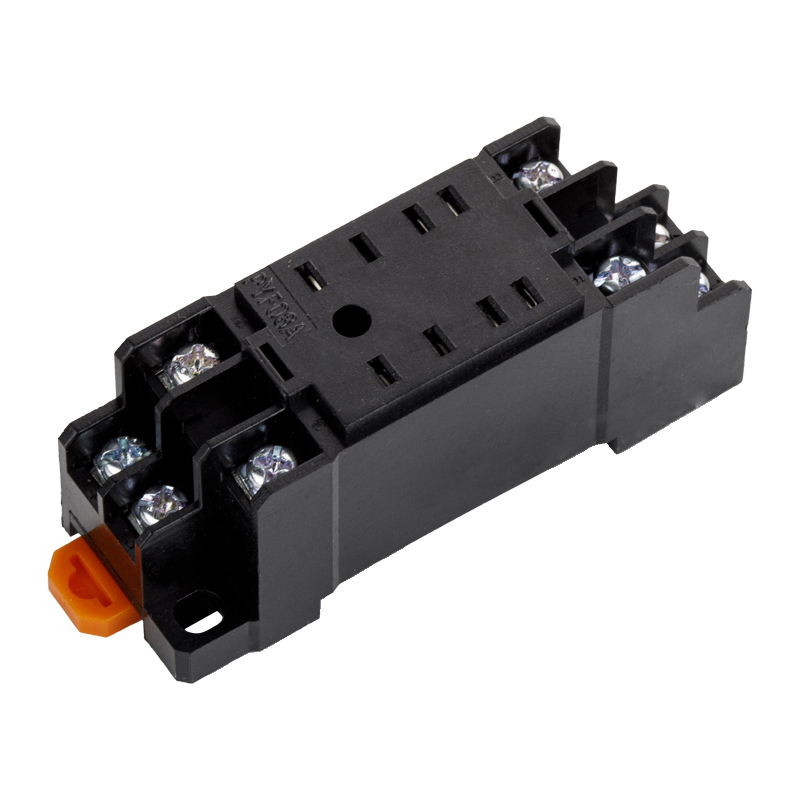
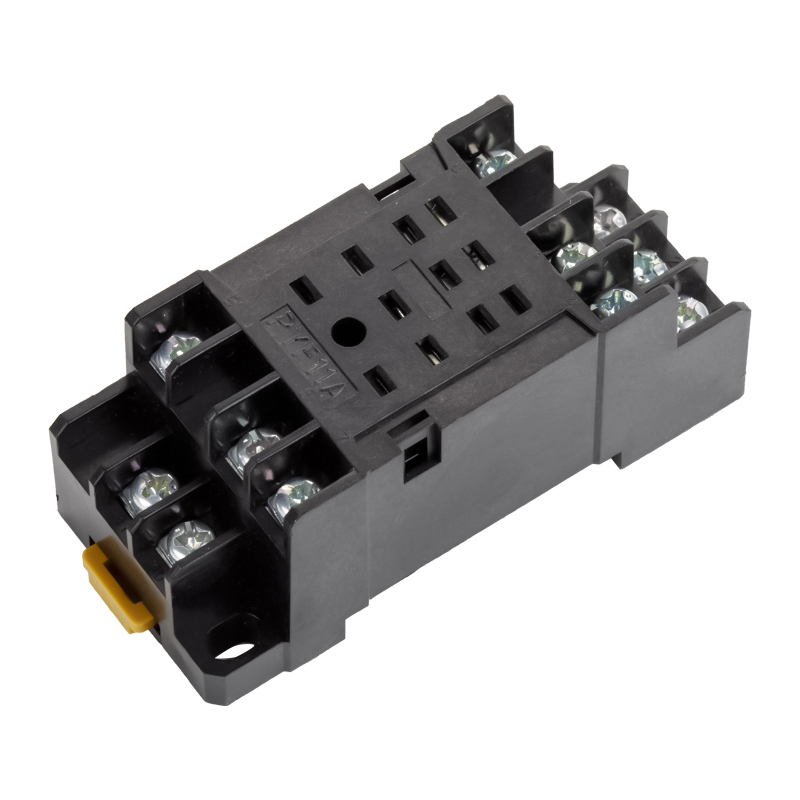
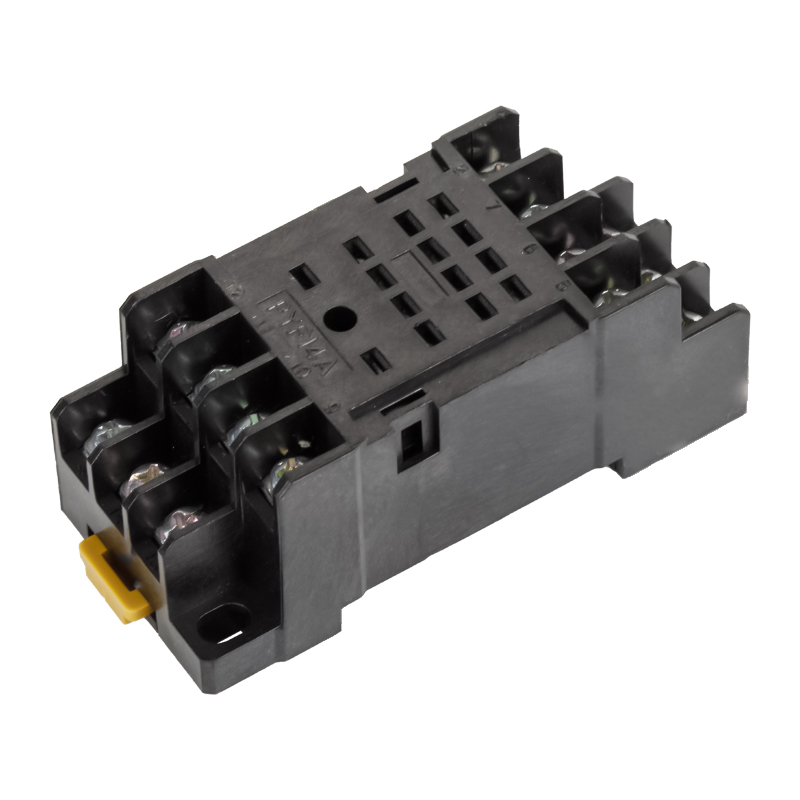
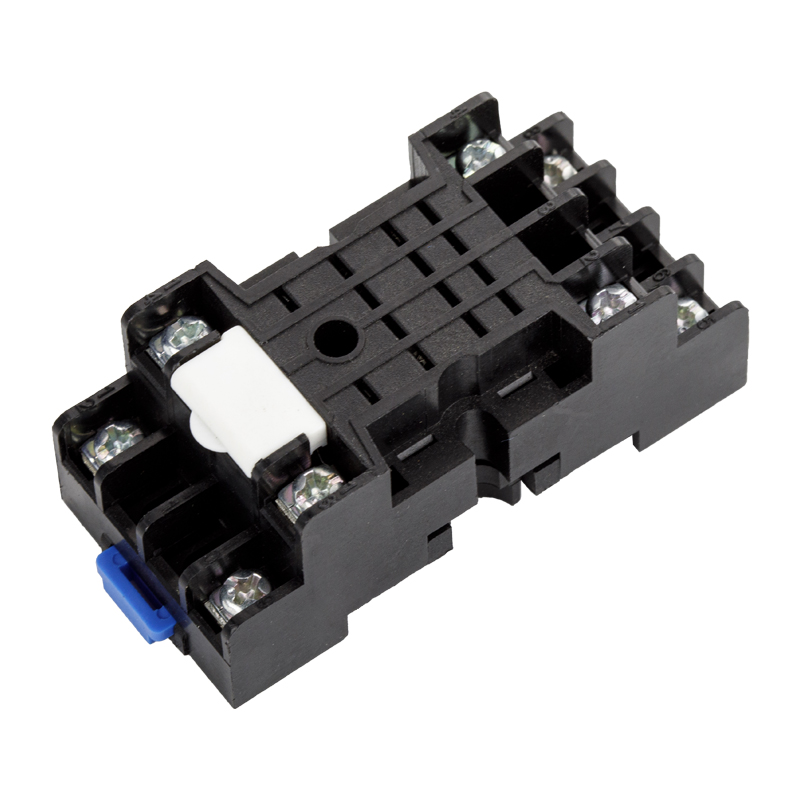
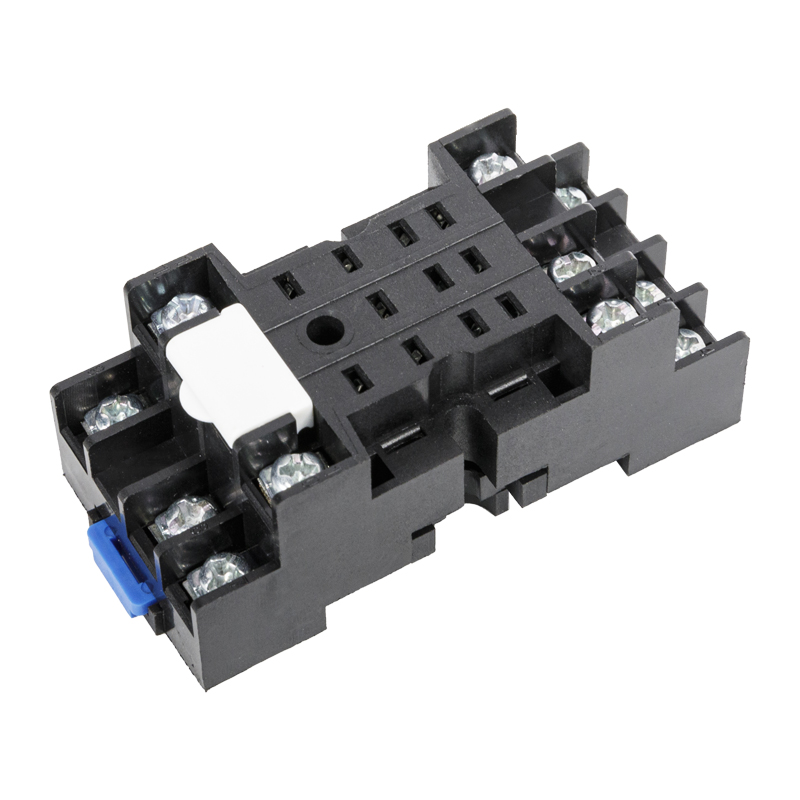
When choosing between a DPDT relay and an SPST relay, the answer depends on how many circuits you need to control. An SPST (Single Pole Single Throw) relay switches one circuit on or off — straightforward and widely used. A DPDT (Double Pole Double Throw) relay controls two independent circuits simultaneously and can reverse polarity, making it indispensable in motor control, automation, and complex switching applications. Understanding these differences upfront helps engineers and buyers select the right component without overengineering or undershooting their design needs.
What Is an SPST Relay and How Does It Work
An SPST relay — Single Pole Single Throw — is one of the most fundamental relay types in electronics. It contains two terminals on the load side: one common (COM) and one normally open (NO), or one normally closed (NC). When the coil is energized by a control signal, the electromagnetic force pulls the armature, closing (or opening) the contact and completing (or interrupting) the load circuit.
SPST relays are referred to as "on-off" relays in industry documentation because their switching logic is binary. According to IEC 60255 standards, a single-pole relay must reliably open and close under its rated load voltage and current without arcing beyond defined limits. Typical SPST relays are rated between 5A to 30A at 250VAC or 30VDC, suitable for a broad range of residential, commercial, and light industrial uses.
Core Components of an SPST Relay
- Electromagnetic coil — generates magnetic flux when current flows through it
- Armature — a movable metal strip attracted by the coil's magnetic field
- Contact set — one fixed and one movable contact that open or close the circuit
- Spring — returns the armature to its original position when the coil is de-energized
- Housing — protects internal components from dust, moisture, and mechanical stress
SPST relays are used extensively in automotive systems (fuel pumps, cooling fans, horn circuits), home appliances (water heaters, refrigerators), and industrial control panels. Their simplicity makes them cost-effective and easy to replace in the field.
What Is a DPDT Relay and How Does It Work
A DPDT relay — Double Pole Double Throw — is significantly more versatile. It contains six terminals on the load side: two COM terminals, two NO terminals, and two NC terminals. The single coil operates both sets of contacts simultaneously. When energized, both poles switch from their NC position to their NO position, enabling the relay to control two independent circuits or reverse the polarity of a single circuit.
The DPDT configuration is the standard choice for H-bridge motor control, where reversing the direction of a DC motor requires switching the polarity of the supply voltage. By wiring the two poles correctly, a DPDT relay achieves this with a single coil energization event. This approach is documented in application notes from major relay standards bodies including NEMA and IEC.
Terminal Layout of a DPDT Relay
Table 1: Standard DPDT relay terminal configuration and function
| Terminal |
Label |
Function |
| 1 & 2 |
Coil |
Control voltage input (e.g. 5V, 12V, 24V DC) |
| COM1 |
Pole 1 Common |
Main input for circuit 1 |
| NO1 |
Normally Open 1 |
Connects to COM1 when coil is energized |
| NC1 |
Normally Closed 1 |
Connected to COM1 when coil is de-energized |
| COM2 |
Pole 2 Common |
Main input for circuit 2 |
| NO2 / NC2 |
Normally Open/Closed 2 |
Mirror of Pole 1 for the second circuit |
DPDT vs SPST Relay: Side-by-Side Comparison
Choosing between a DPDT relay and an SPST relay begins with circuit requirements. The table below highlights key differences engineers should evaluate during component selection.
Table 2: Technical comparison between SPST and DPDT relay types
| Feature |
SPST Relay |
DPDT Relay |
| Poles |
1 |
2 |
| Throws |
1 |
2 |
| Load Terminals |
2 |
6 |
| Circuits Controlled |
1 |
2 (independent) |
| Polarity Reversal |
No |
Yes |
| Typical Applications |
On/off switching |
Motor reversal, dual circuit control |
| Circuit Complexity |
Low |
Medium to High |
| Common Coil Voltages |
5V, 12V, 24V DC / AC |
5V, 12V, 24V DC / AC |
Typical Applications of SPST and DPDT Relays Across Industries
Both relay types appear across a wide range of industries, but each has domains where it excels. The chart below illustrates estimated industry distribution of relay usage, based on global relay market segmentation data (source: MarketsandMarkets Relay Market Report, 2023).
Relay Application Distribution by Industry (%)
Figure 1: Global relay market application share by sector. Source: MarketsandMarkets Relay Industry Report, 2023.
The automotive sector leads relay consumption at approximately 34% of global demand, driven by vehicle electrification and the increasing number of electronically controlled subsystems per vehicle. SPST relays dominate low-complexity switching tasks such as headlight control, starter circuits, and HVAC fan management. In contrast, DPDT relays are increasingly deployed in EV battery management systems and directional motor controls.
Industrial automation represents 28% of usage, where DPDT relays are preferred for programmable logic controller (PLC) output modules requiring bidirectional load control. Home appliances account for 22%, with SPST relays found in virtually every thermostatically controlled appliance from refrigerators to dryers.
Common SPST Relay Applications
- Automotive fuel pump and radiator fan circuits (typically 12V DC coil, 30A load)
- Residential HVAC compressor and air handler switching
- Water pump and irrigation system control
- Industrial lighting and alarm system activation
- PCB-mounted signal relay for low-current logic switching
Common DPDT Relay Applications
- DC motor direction reversal (H-bridge configuration, up to 10A per contact)
- Audio signal routing and switching in AV systems
- Dual-circuit fail-safe control in industrial machinery
- Locking and interlocking systems in security hardware
- Solenoid valve actuation in pneumatic and hydraulic systems
Key Electrical Specifications to Evaluate When Selecting a Relay
Whether specifying an SPST or DPDT relay, engineers must evaluate several interdependent parameters to ensure reliability over the product's intended service life. Underspecifying contacts or coil voltage is one of the most frequent causes of premature relay failure in the field.
Coil Parameters
- Rated coil voltage — must match the control system output (5V, 12V, 24V DC are most common)
- Coil resistance — determines current draw; a 12V / 400Ω coil draws 30mA
- Must-operate voltage — minimum voltage at which the relay reliably switches (typically 75% of rated)
- Must-release voltage — voltage below which the contacts return to rest state (typically 10–20% of rated)
Contact Parameters
- Contact rating — maximum current and voltage the contacts can safely switch (e.g., 10A 250VAC)
- Contact material — AgNi and AgSnO2 are common; AgNi suits general use, AgSnO2 suits resistive high-current loads
- Electrical endurance — number of operations under rated load (typically 100,000 cycles minimum per IEC 61810)
- Mechanical endurance — operations without load (often 10 million cycles or more)
- Contact resistance — should be below 100mΩ at rated load for low-loss switching
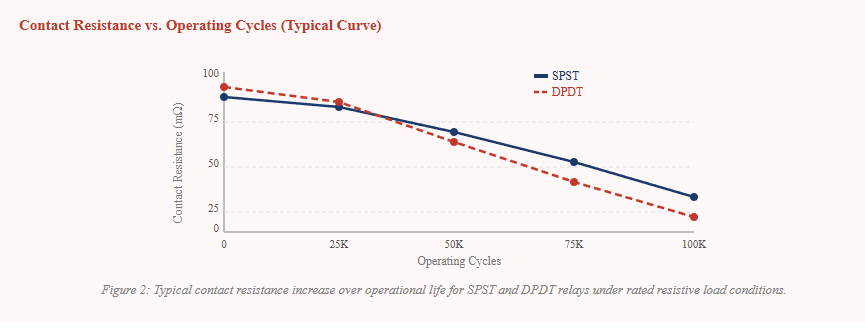
The chart above illustrates a well-documented pattern: contact resistance in both SPST and DPDT relay types increases gradually over service life as contact surfaces experience micro-erosion from repeated arcing. DPDT relays tend to show slightly higher resistance growth per cycle due to the increased contact mass and surface area, but both types remain within acceptable limits through at least 100,000 switching operations under rated resistive loads. This data is consistent with findings published in the IEC 61810-1 standard for elementary relays, which sets maximum permissible contact resistance thresholds for different relay classes. Engineers specifying relays for high-cycle applications such as HVAC or industrial conveyors should derate the contact current to 70–80% of rated to extend service intervals meaningfully.
Isometric 3D Schematic: DPDT Relay Structure
The annotated SVG diagram below illustrates the internal structure and terminal layout of a typical DPDT relay, providing a clear visual reference for engineers and system integrators during design and installation.Coil
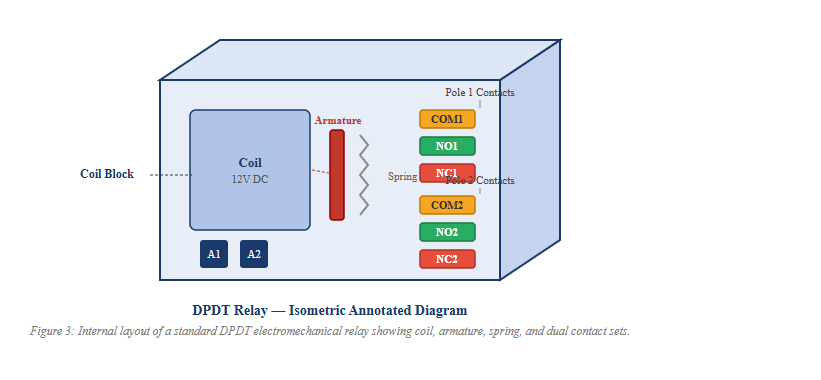
The diagram clearly shows how the single electromagnetic coil drives the armature to operate both contact sets (Pole 1 and Pole 2) simultaneously. This synchronized action is what makes the DPDT relay valuable for polarity reversal — connecting COM1 and COM2 to opposite supply rails and crossing NO1/NO2 to the load enables forward and reverse motor drive from a single relay actuation. The spring mechanism ensures positive contact return when the coil is de-energized, maintaining fail-safe behavior consistent with IEC 61810 and UL 508 requirements.
Certification and Compliance Requirements for Industrial Relay Use
For engineers and procurement teams sourcing SPST or DPDT relays for end products sold in North America, Europe, or Asia, compliance certification is not optional — it is a fundamental design requirement. The table below summarizes the major certifications and the markets they address.
Table 3: Key relay certification schemes and their applicable markets
| Certification |
Issuing Body |
Primary Market |
Key Standard |
| UL |
Underwriters Laboratories |
North America |
UL 508 |
| TUV |
TUV Rheinland |
Europe / Global |
IEC 61810 |
| CE |
EU Notified Body |
European Union |
LVD, EMC Directives |
| CQC |
China Quality Certification |
China |
GB/T 21711 |
| RoHS |
EU Commission |
EU / Global |
2011/65/EU |
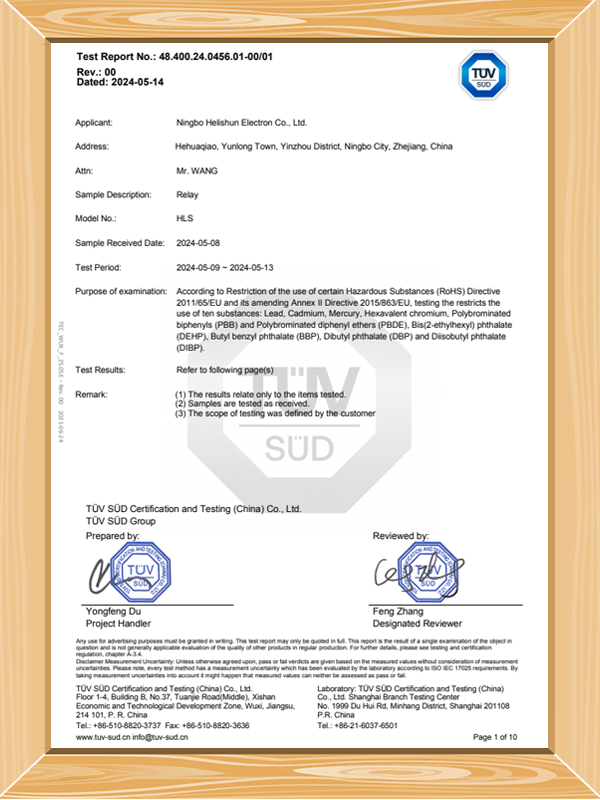
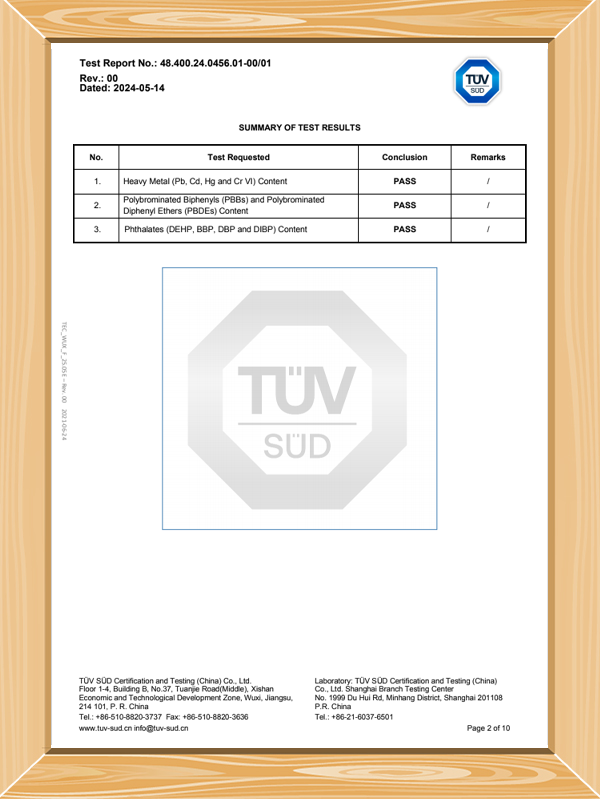
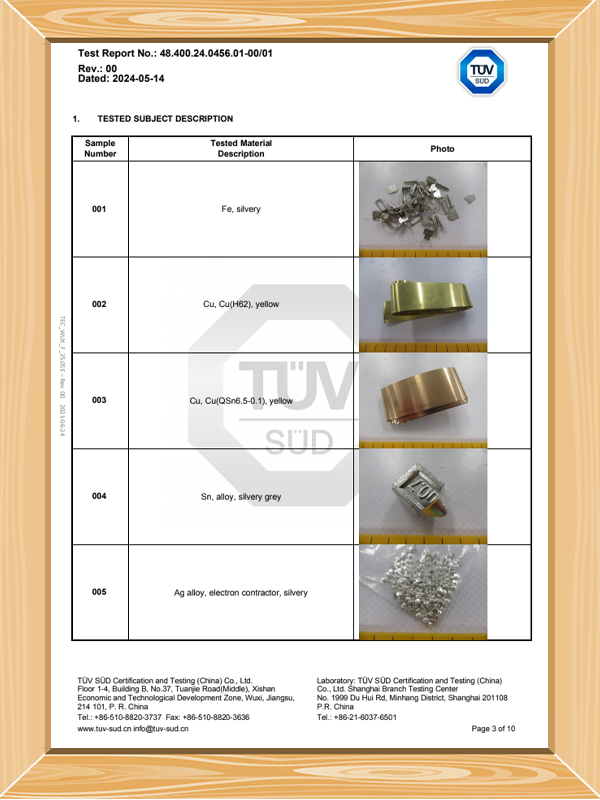
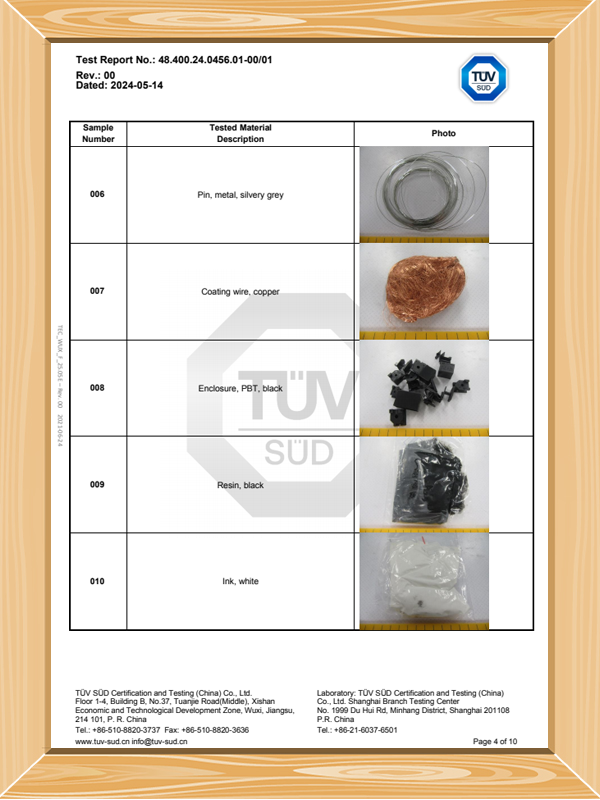
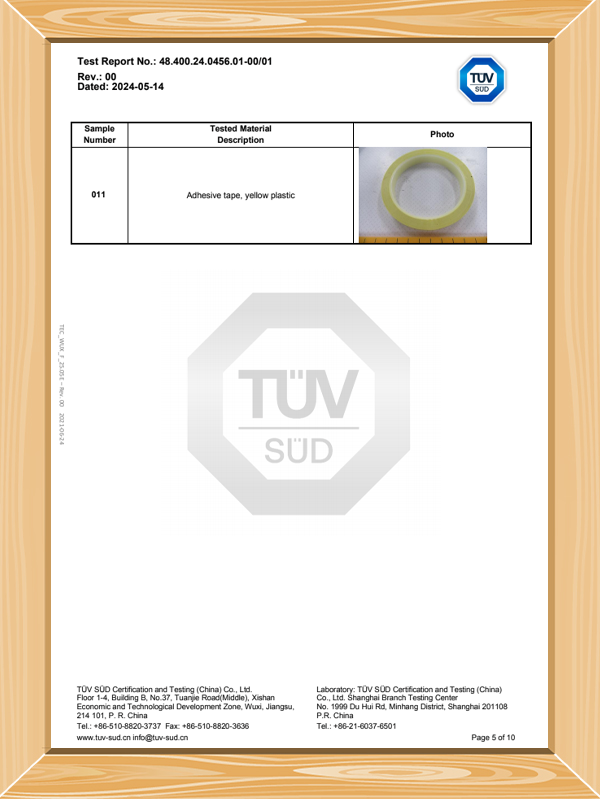
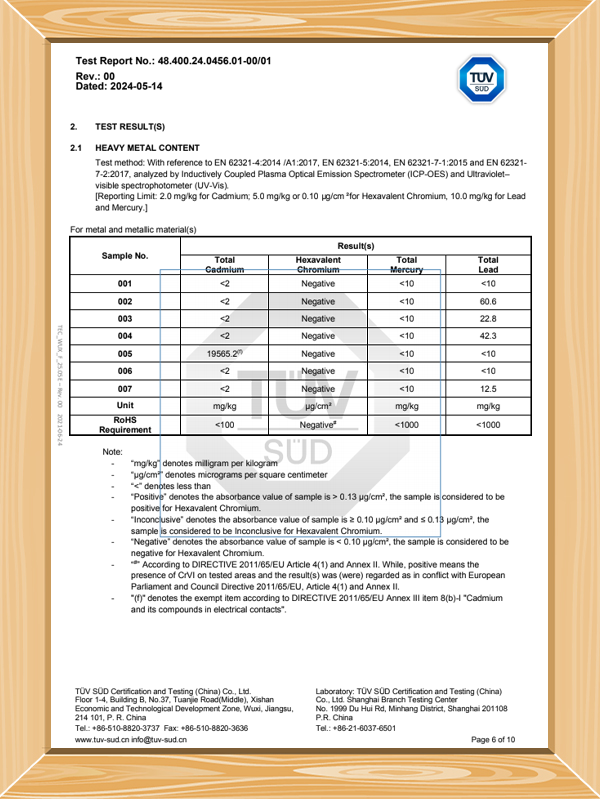
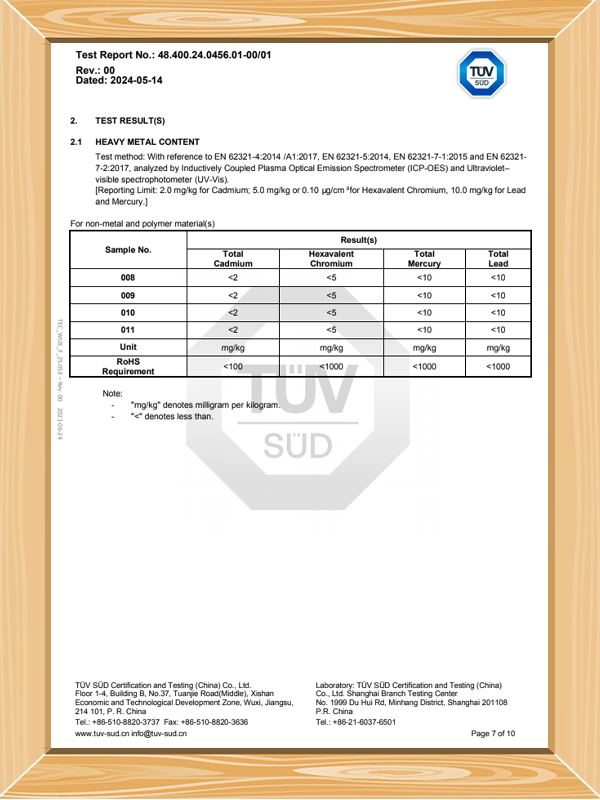
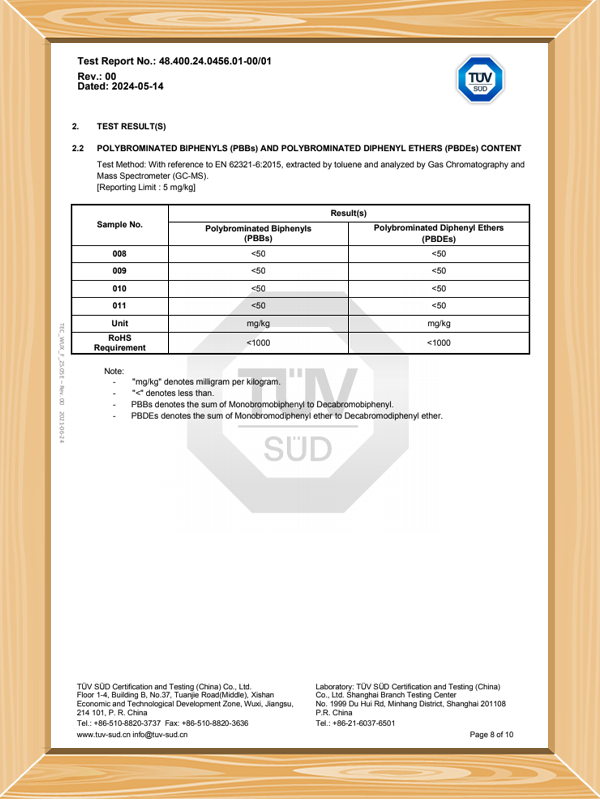
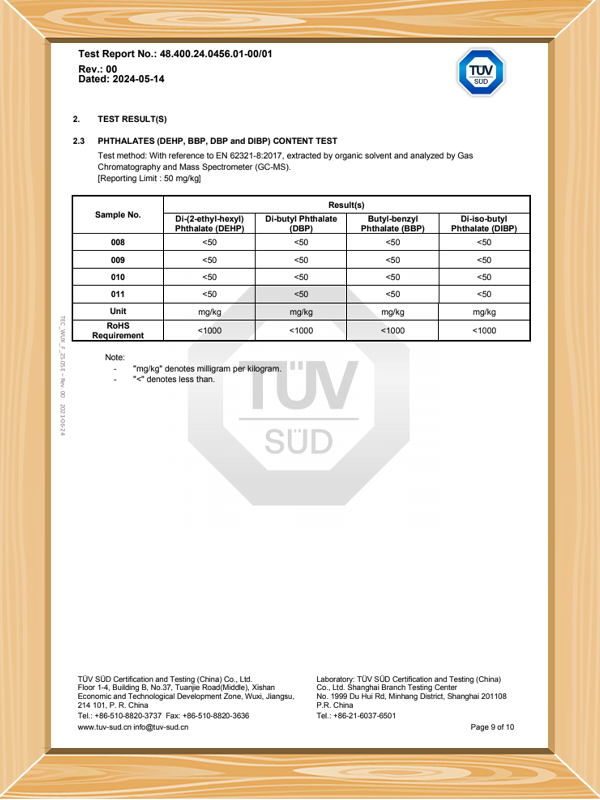
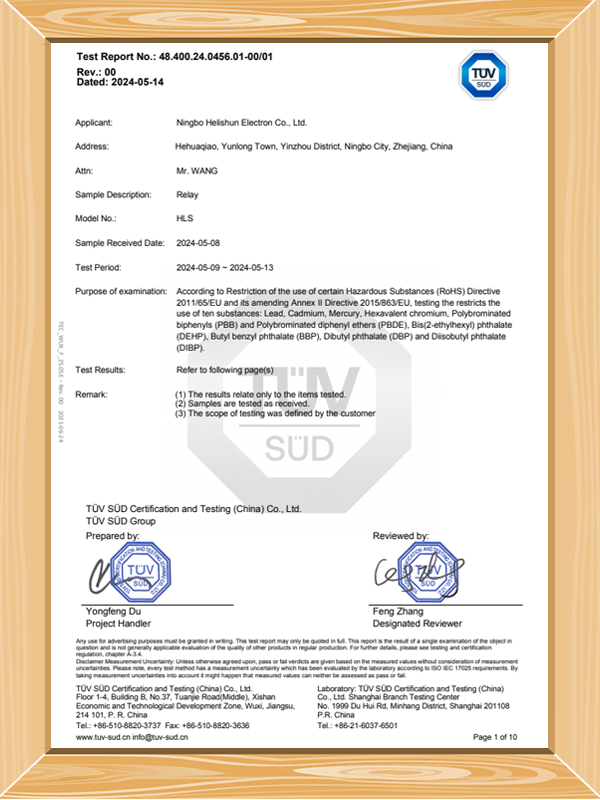
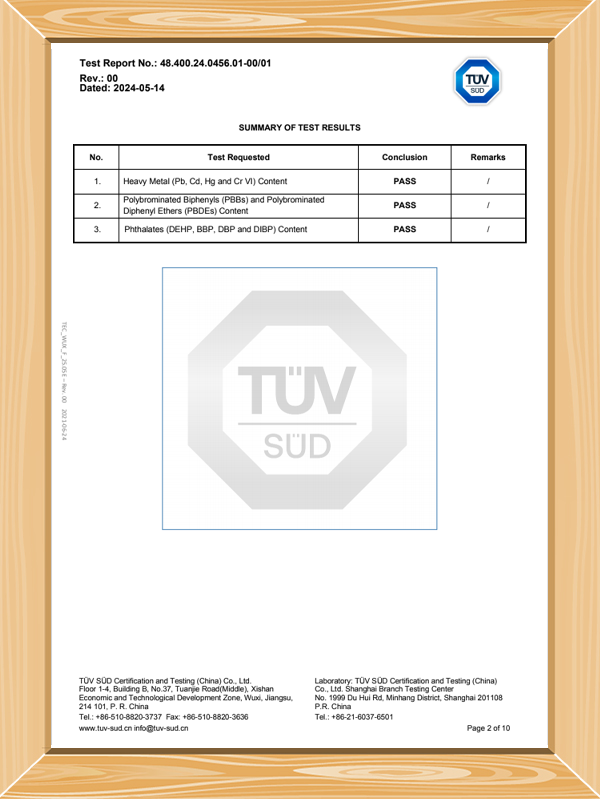
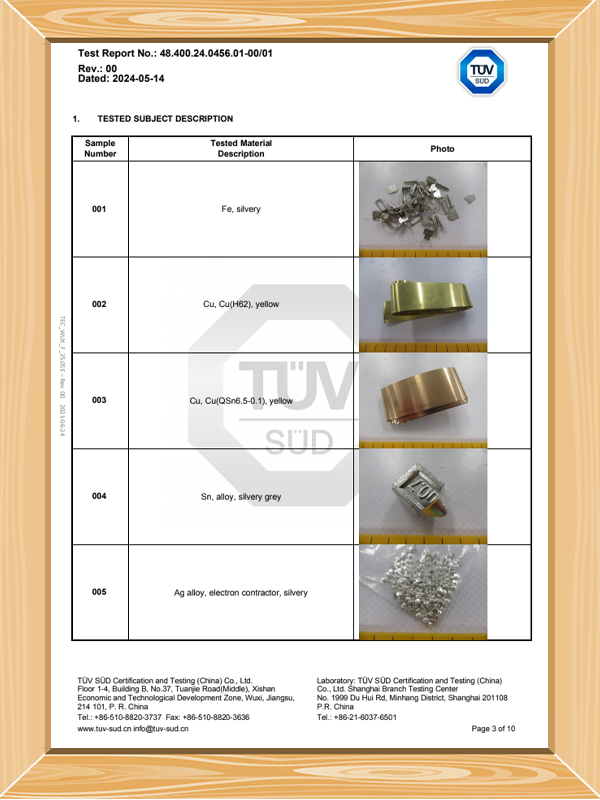
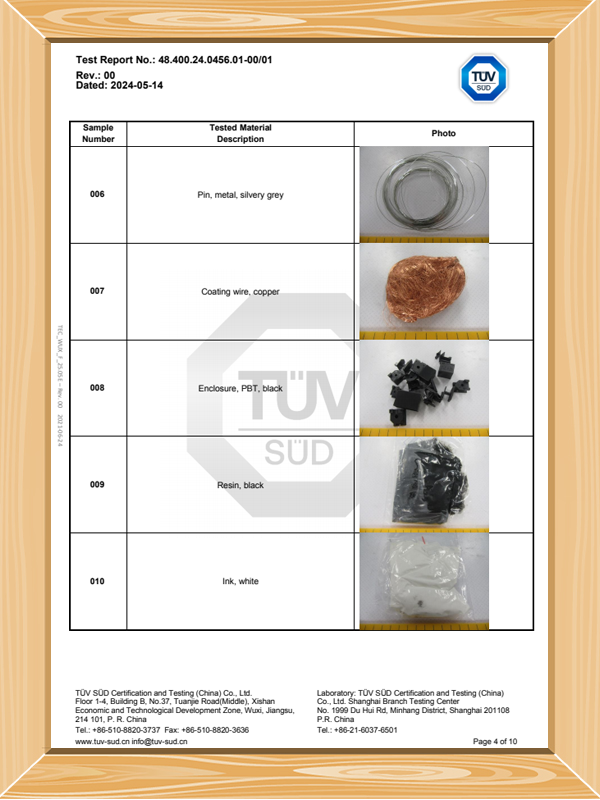
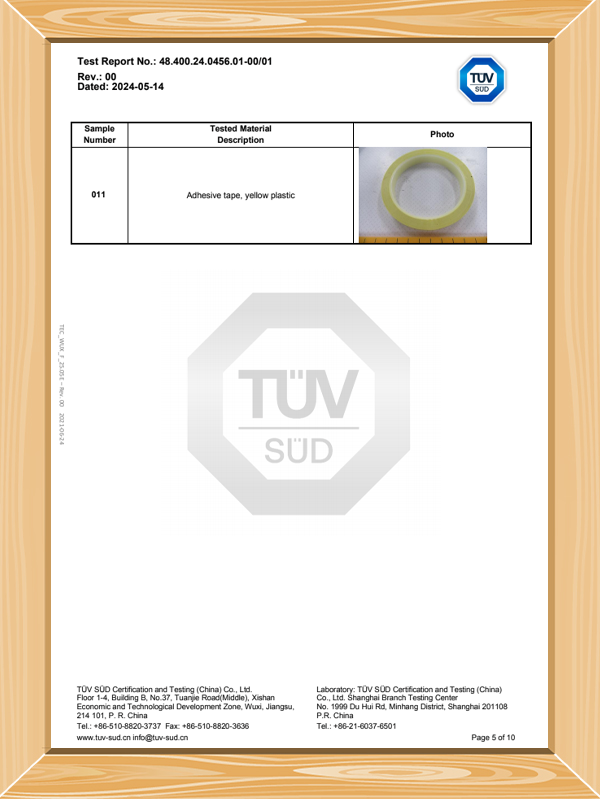
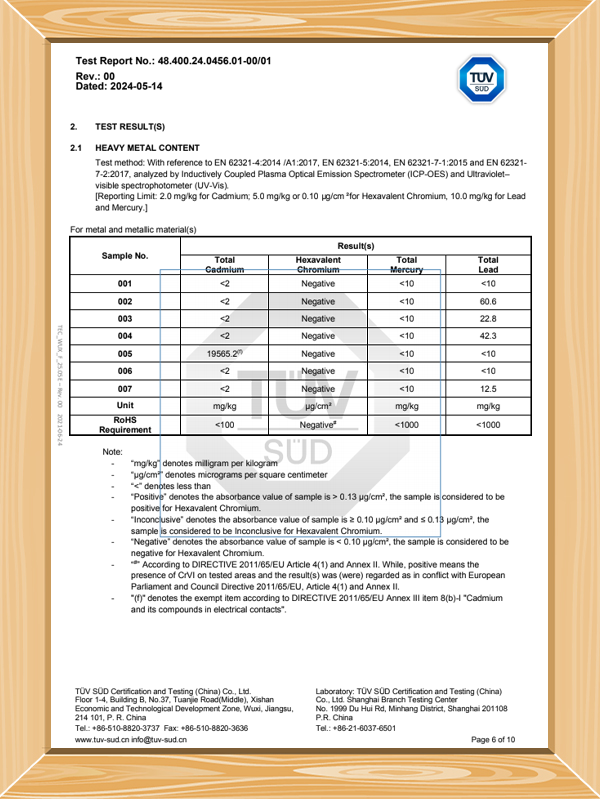
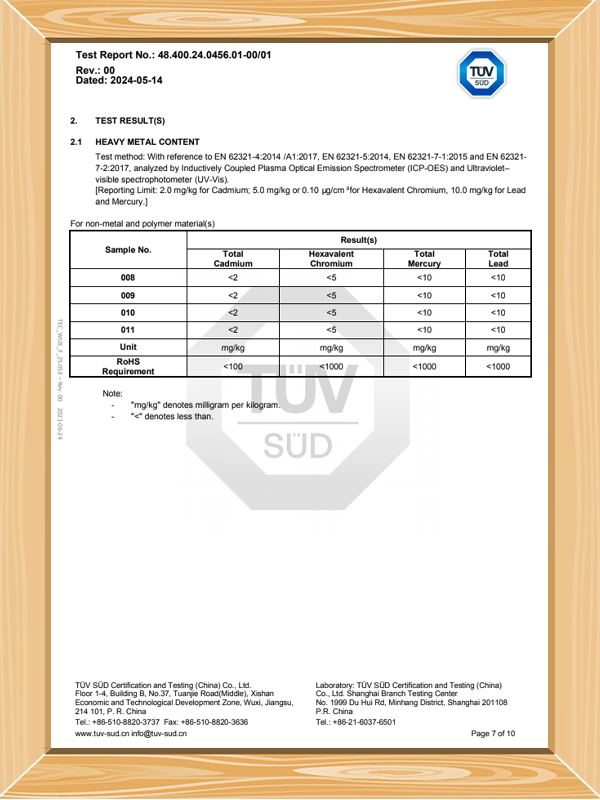
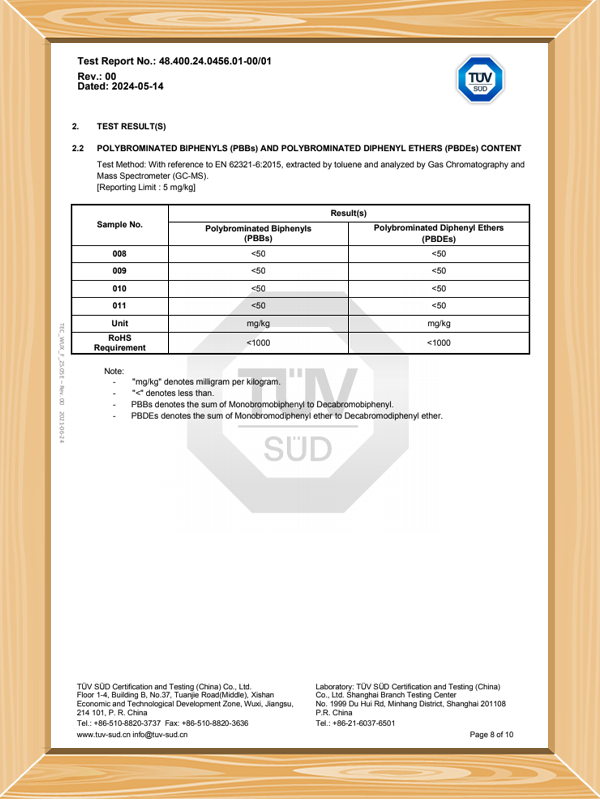
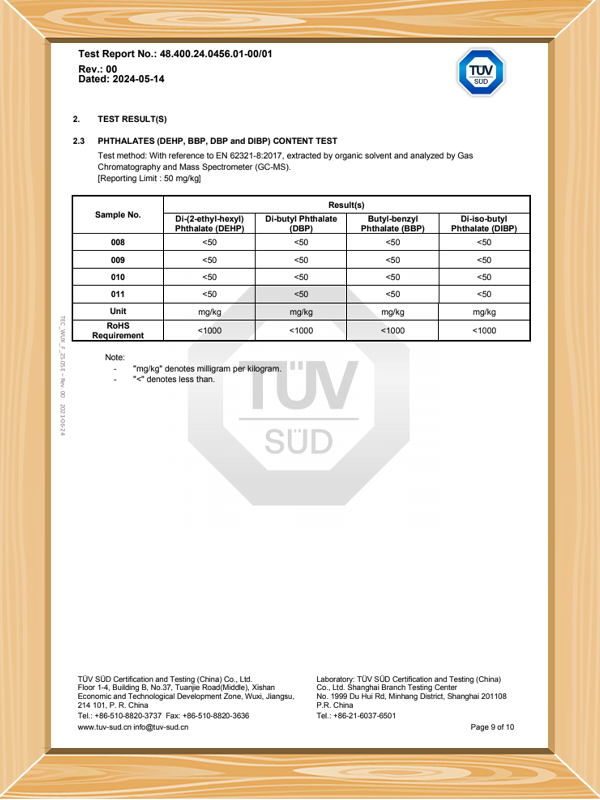
RoHS compliance restricts six hazardous substances — including lead, mercury, and cadmium — in electrical and electronic equipment sold in the EU. Relays marketed as RoHS-compliant must have solder, contact platings, and housing materials verified free of these substances. Procurement teams should verify that relay datasheets explicitly reference the applicable certification mark and standard number, not just a general claim of compliance.
About Ningbo Helishun Electron Co., Ltd.
Ningbo Helishun Electron Co., Ltd. was founded in 2000 and is located in Ningbo City, a major international port on the East China Sea coastline. The company currently covers a production and operations area of 8,800 square meters and specializes in the research, development, and manufacturing of relay products, serving a prominent role in the global relay market.
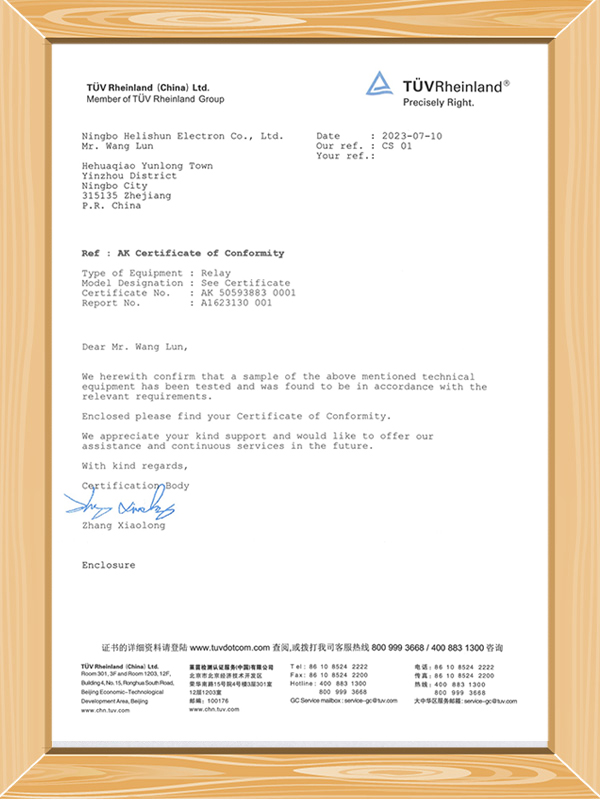
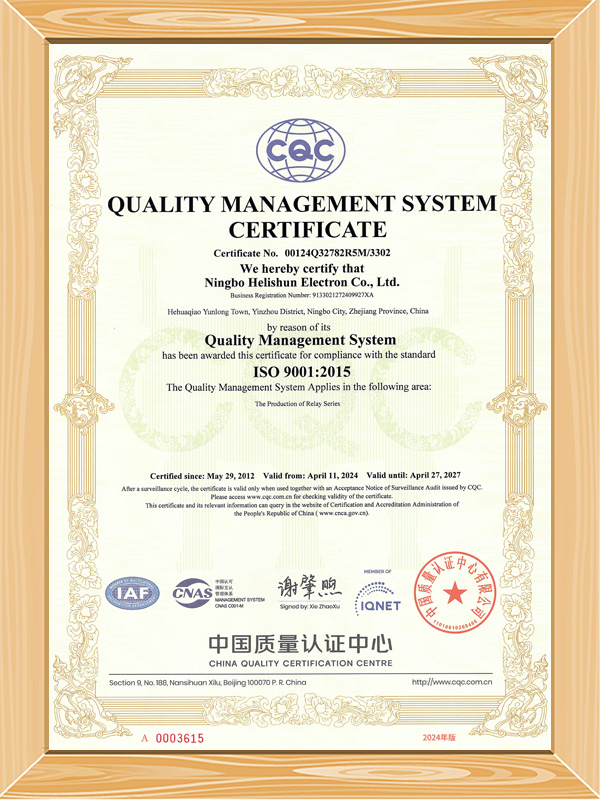
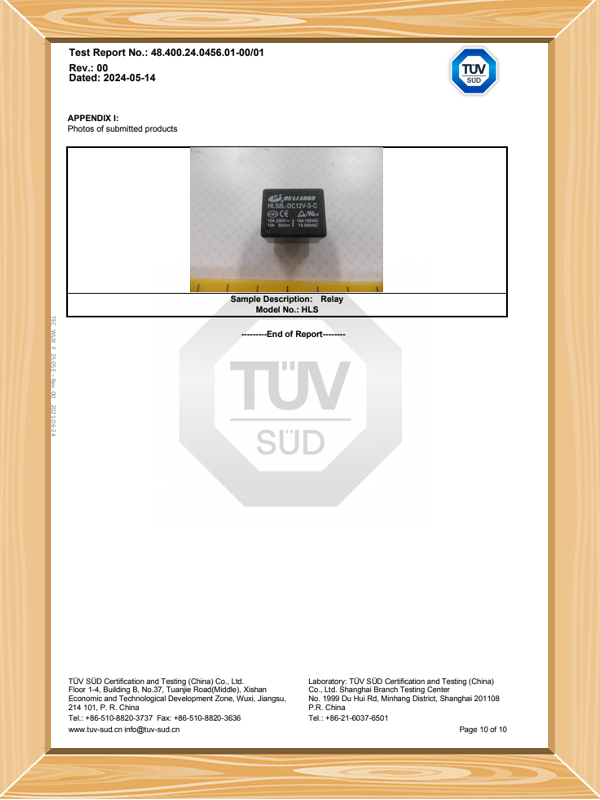
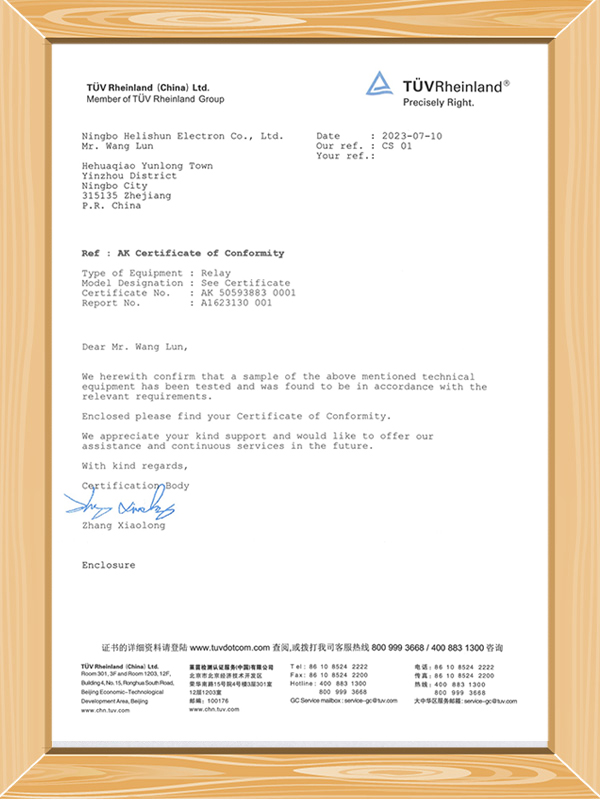
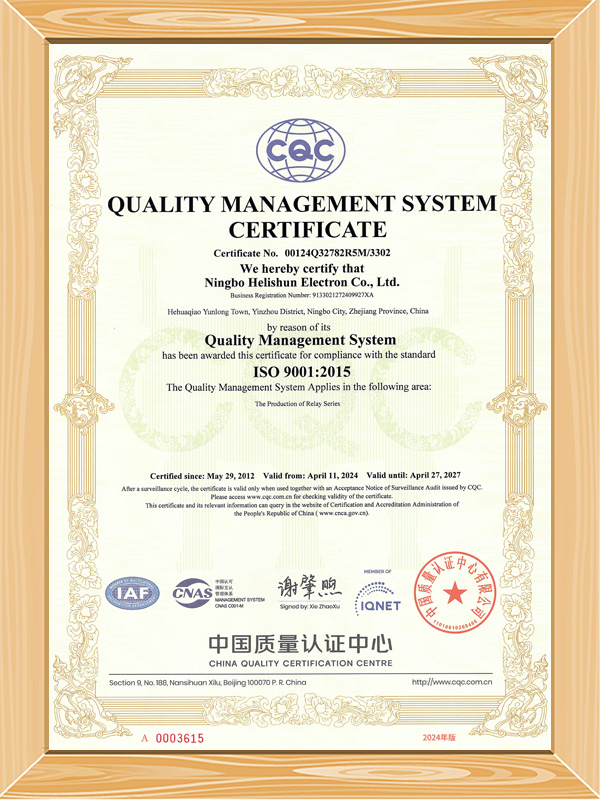
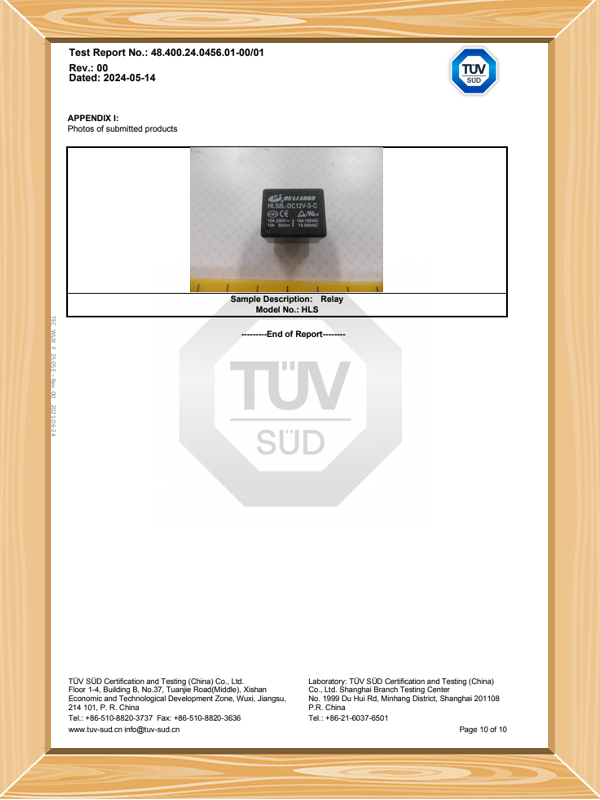
Helishun has introduced advanced technology and testing equipment from domestic and international sources, establishing a dependable quality management system that has earned ISO 9001:2015 certification. The company's products carry the UL, TUV, CE, and CQC marks, and comply with EU RoHS environmental directives — enabling customers to use Helishun relays as qualified drop-in replacements for comparable products worldwide.
HELISHUN relays are distributed across domestic and international markets and are widely applied in household electrical appliances, telecommunications, automation control systems, automotive electronics, and industrial instrumentation. The company supports OEM and ODM cooperation and welcomes partners seeking long-term, quality-driven collaboration. Helishun's commitment to rigorous manufacturing and responsive customer service has built sustained trust among engineers and purchasing teams worldwide.
Frequently Asked Questions
Q1: What is the main functional difference between an SPST relay and a DPDT relay?
An SPST relay switches a single circuit between on and off states using two load terminals. A DPDT relay controls two independent circuits simultaneously using six load terminals and can also reverse the polarity of a load — a capability that SPST relays do not provide.
Q2: Can a DPDT relay replace an SPST relay in a circuit?
Yes, a DPDT relay can replace an SPST relay by using only one of its two pole sets. Connect the load to COM1 and NO1, leave Pole 2 unused, and the relay functions identically to an SPST. This is common in service situations where SPST stock is unavailable.
Q3: What coil voltage should I select for an automotive relay application?
Most automotive relay circuits use a 12V DC coil in passenger vehicles and 24V DC in commercial trucks and buses. Always verify the system's actual operating voltage range, as automotive electrical systems can fluctuate between 9V and 16V, and the relay's must-operate voltage must be met across this range.
Q4: How do I use a DPDT relay to reverse a DC motor?
Connect the positive supply to COM1 and negative supply to COM2. Wire NO1 to one motor terminal and NC1 to the other. Wire NO2 to the second motor terminal and NC2 to the first. When the relay is de-energized, the motor runs in one direction via the NC contacts; when energized, the NO contacts reverse the polarity and the motor runs in the opposite direction.
Q5: What certifications should I look for when sourcing SPST or DPDT relays for products sold in Europe?
For the European market, relays should carry CE marking in compliance with the Low Voltage Directive (LVD) and EMC Directive, TUV certification to IEC 61810, and RoHS compliance under EU Directive 2011/65/EU. Products bearing all three certifications are suitable for use in consumer, commercial, and light industrial applications across EU member states.
Q6: How many switching cycles can a typical electromechanical relay handle?
Under rated resistive load, most electromechanical relays are rated for a minimum of 100,000 electrical operations per IEC 61810. Mechanical endurance (no-load switching) is typically 10 million cycles or more. Service life can be extended by derating the contact current to 70–80% of the rated value, particularly in high-cycle applications.




 English
 中文简体
中文简体