What Is a Relay Socket and Why Is It Used
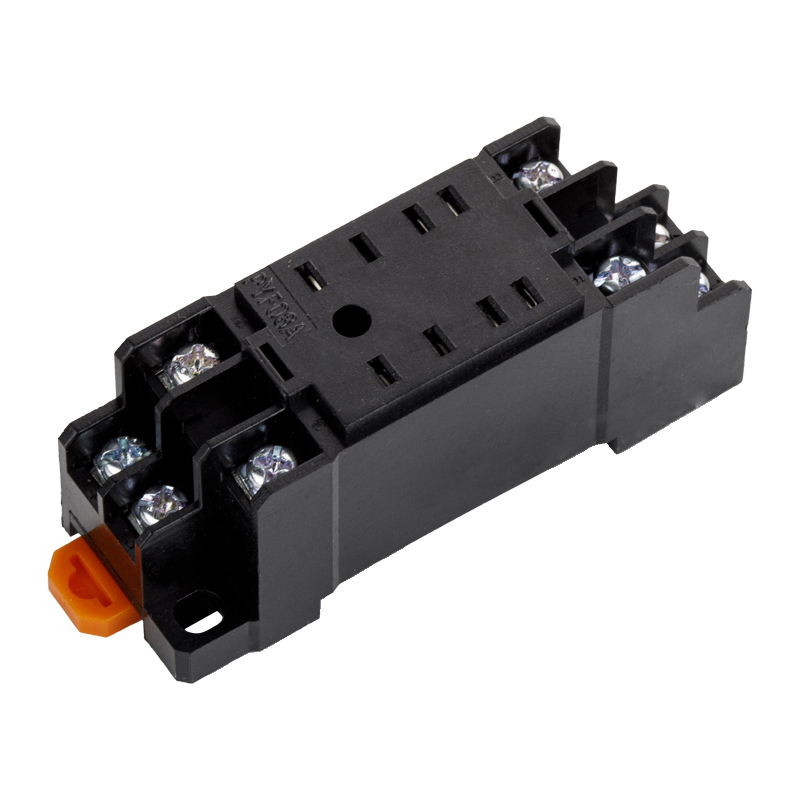
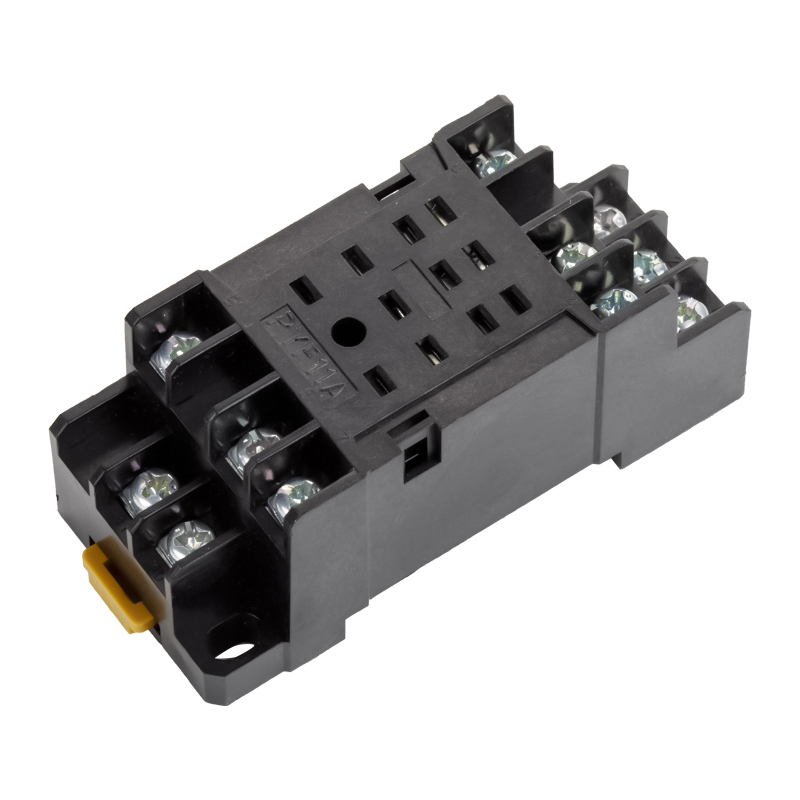
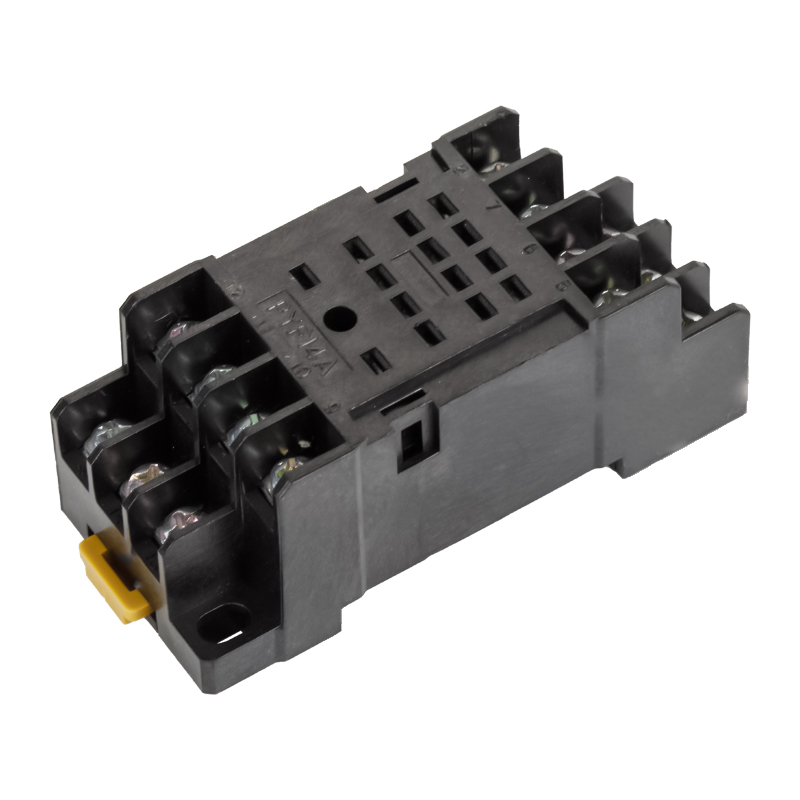
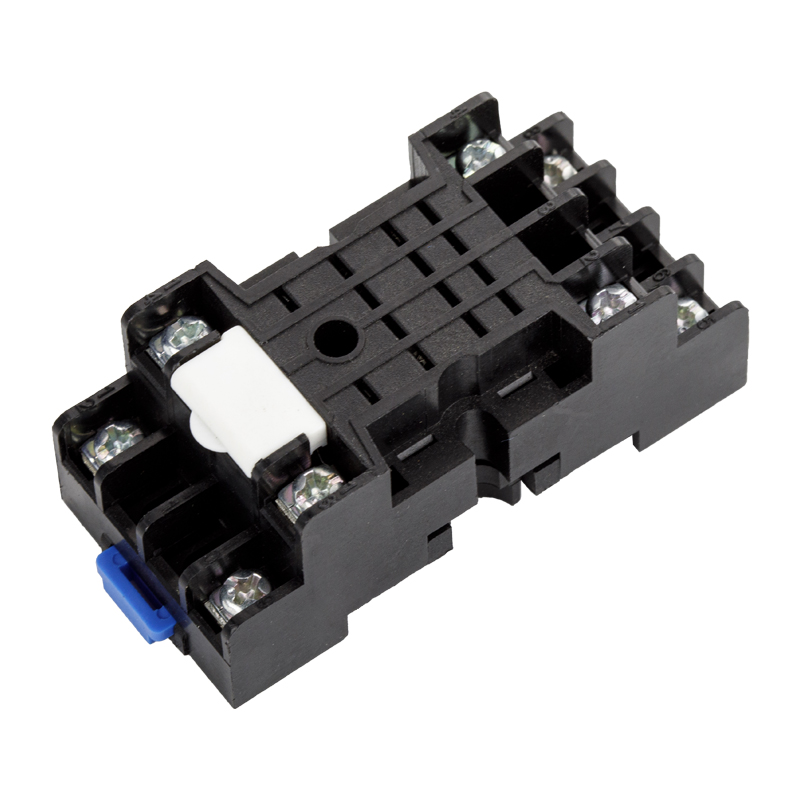
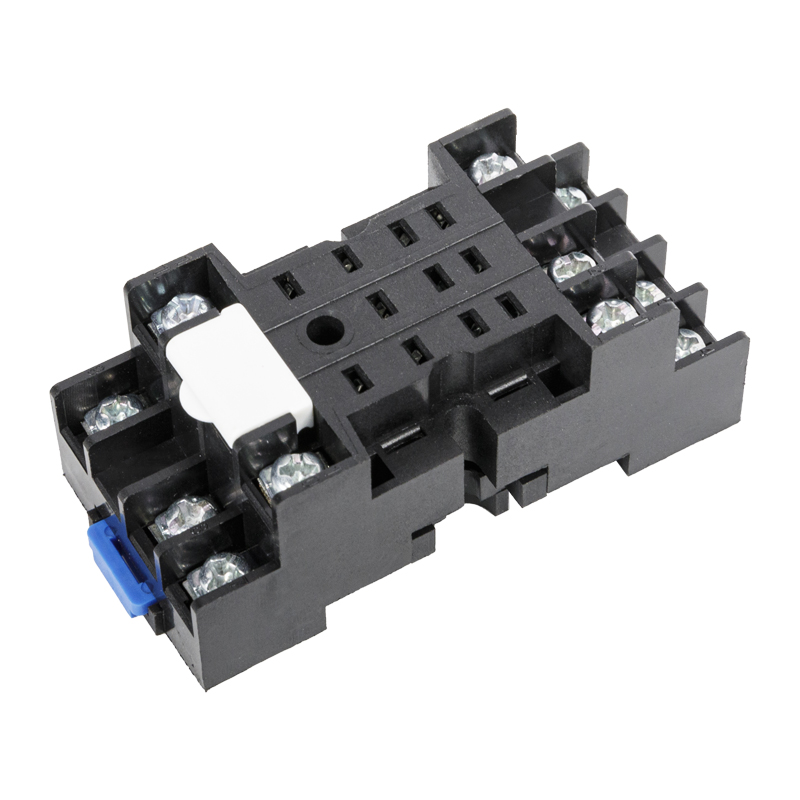
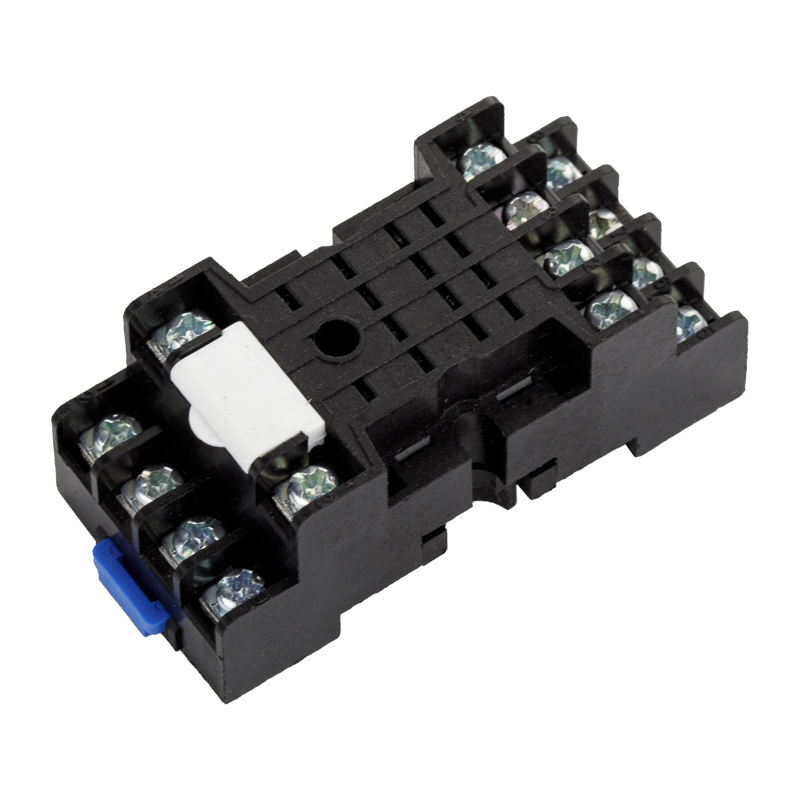
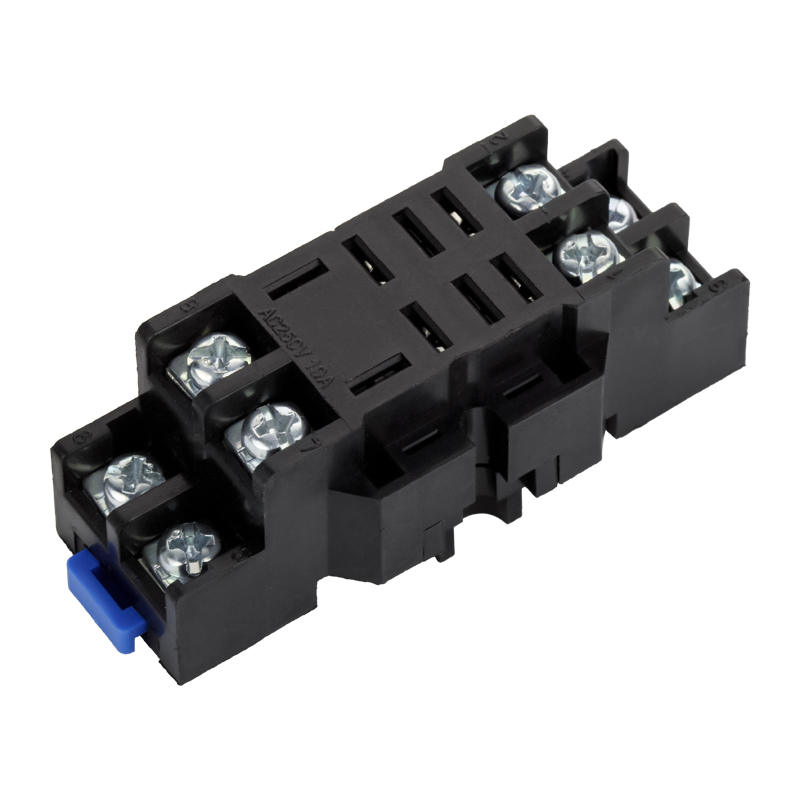
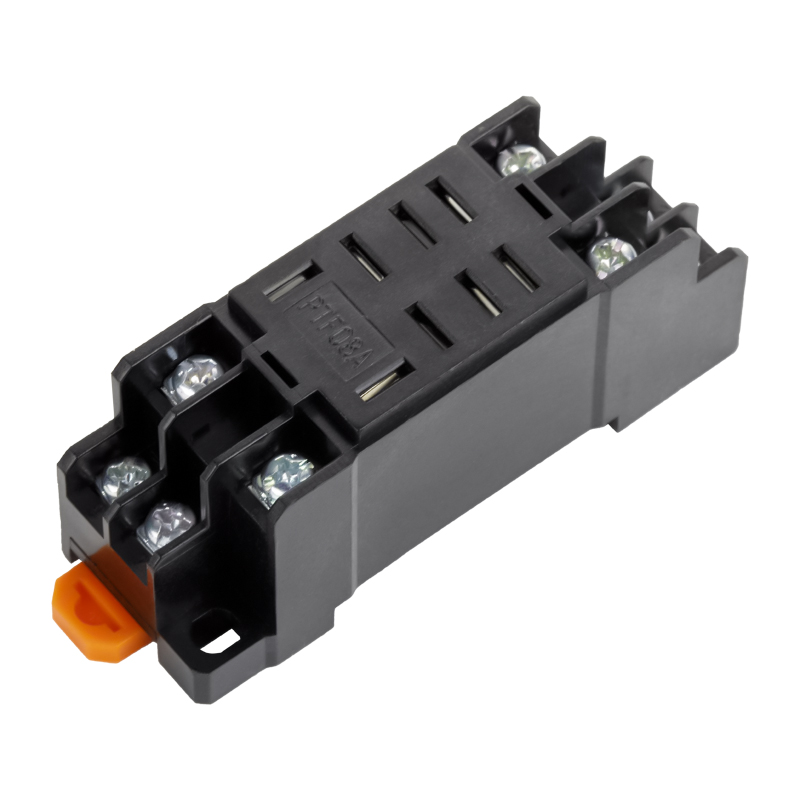
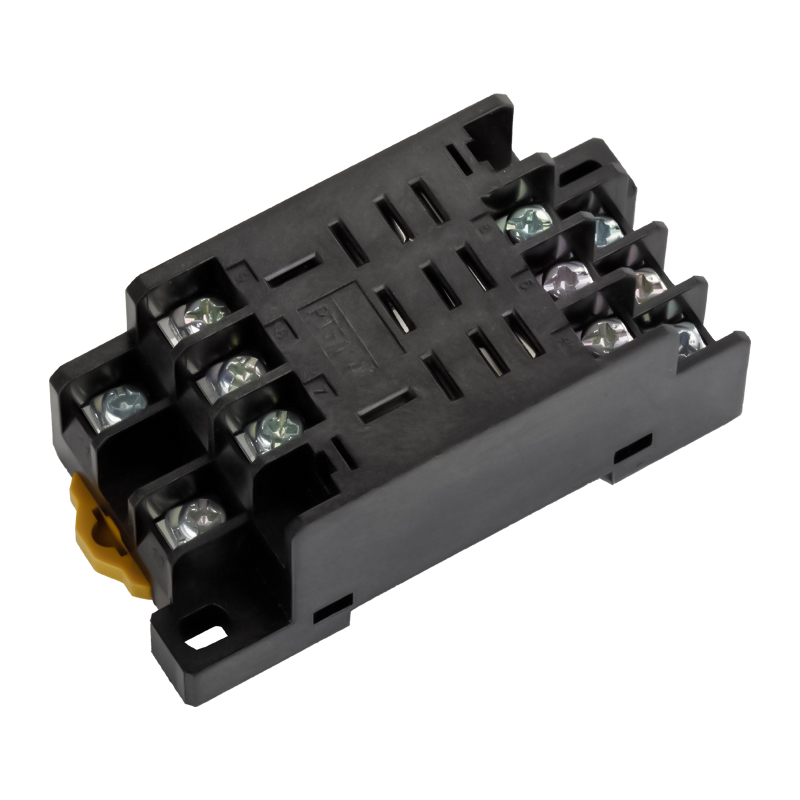
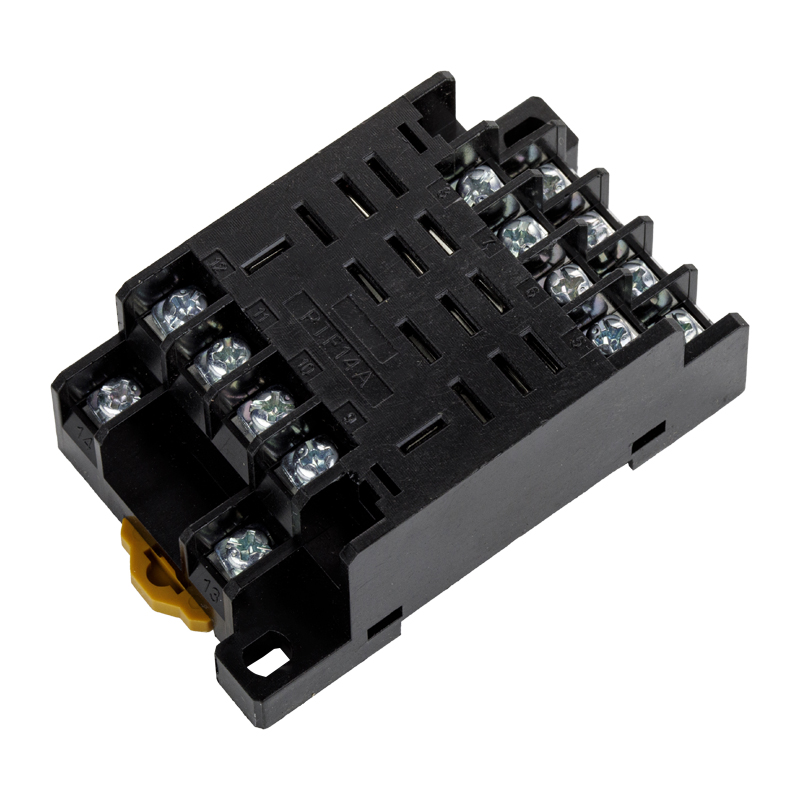
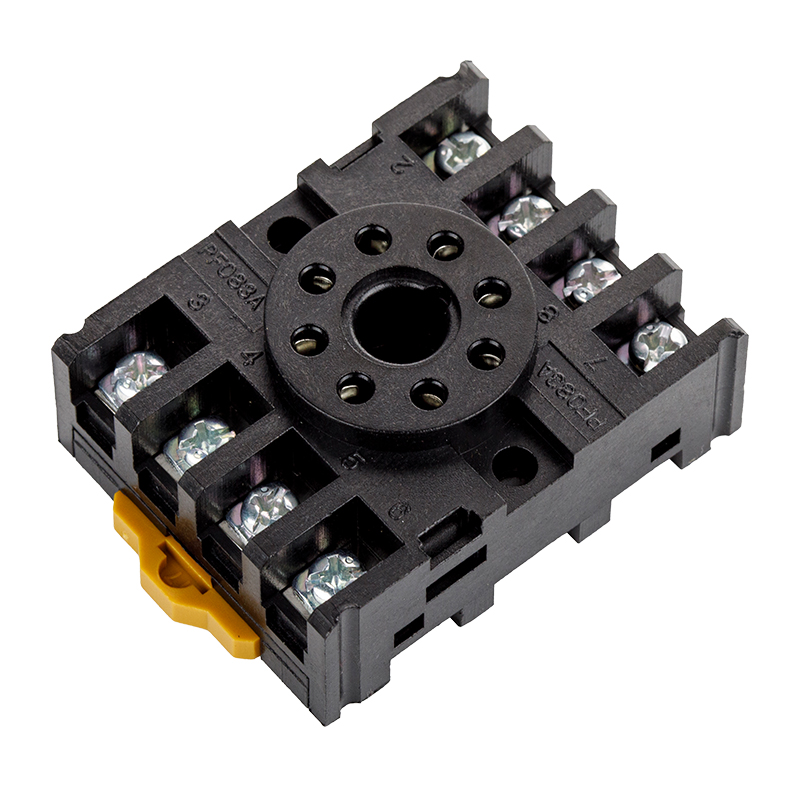
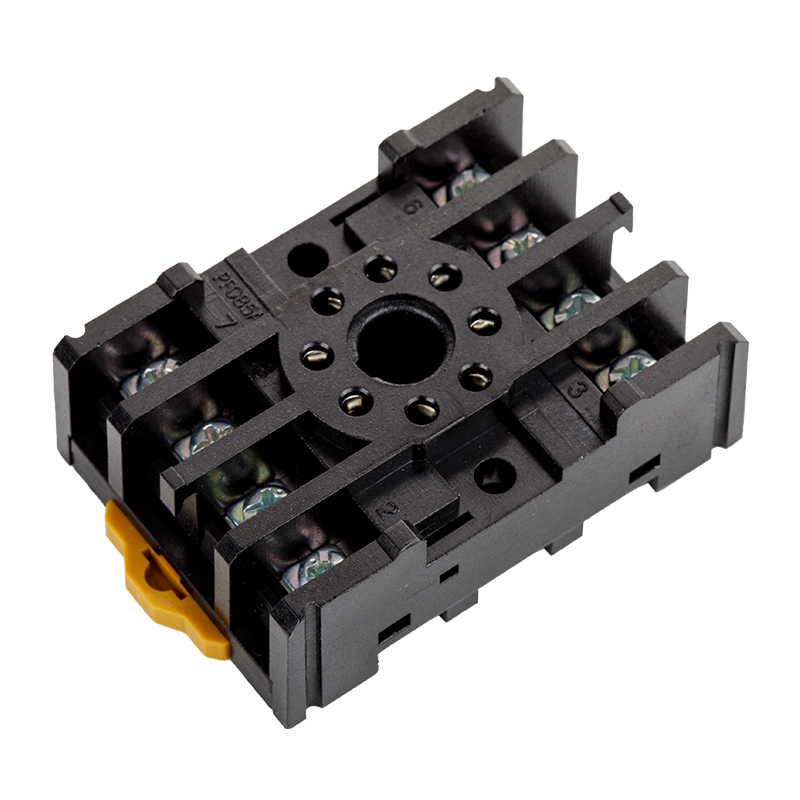
A relay socket, also called a relay base, is a plug-in holder that secures a relay in place while providing terminals for wiring the control coil and load contacts. Instead of soldering a relay directly into a circuit, an installer plugs the relay into the socket, which means a faulty or mismatched relay can be swapped out in seconds without desoldering or rewiring the panel. This single benefit, fast and tool-free replacement, is the main reason relay sockets remain standard practice in control panels, automation cabinets, and equipment that needs predictable maintenance.
Beyond convenience, a quality relay base also protects the relay pins from repeated insertion stress, holds the relay firmly against vibration, and gives the panel builder a fixed mounting point, either through DIN rail clips, panel screws, or PCB solder pins. Because relay sockets and relays are manufactured to match pin layout and spacing, choosing a socket for relay use is mainly a matter of matching the pin count and footprint to the relay being installed.
- Allows tool-free relay replacement without desoldering the panel
- Provides a fixed, vibration-resistant mounting point for the relay
- Protects relay pins from wear caused by repeated direct wiring
- Simplifies wiring through screw terminals, quick-connect tabs, or PCB pins
How a Relay Base Works With the Relay
A relay base does not switch current itself, it simply provides a fixed electrical path between the panel wiring and the relay pins. Inside the relay, a small control current energizes a coil, which creates a magnetic field that pulls an armature and closes or opens a set of contacts. The relay socket carries that same coil signal and contact current through its own terminals, so the socket's pin layout, contact material, and current rating must be compatible with the relay it is meant to hold.
Isometric View and Pin Layout
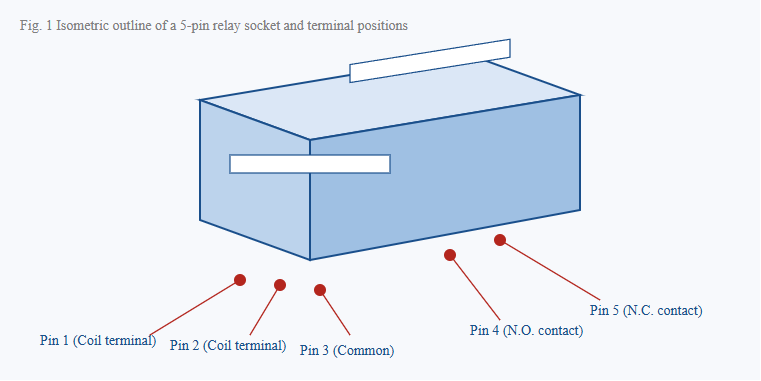
Schematic illustration only, intended to show a typical terminal arrangement on a 5-pin relay socket footprint.
Common Relay Socket Pin Counts and Footprints
Relay sockets are most often described by their pin count, since this determines which relay families they can accept. 5-pin, 8-pin, 11-pin, and 14-pin sockets cover most general-purpose and industrial relay types found in control panels, with each pin count corresponding to a different relay switching arrangement, from a single SPDT contact up to multiple changeover contacts.
| Socket Pin Count |
Typical Relay Type Held |
Common Termination |
| 5 pin |
SPDT power relay |
Screw terminal, quick connect |
| 8 pin |
DPDT general purpose relay |
Screw terminal, DIN rail clip |
| 11 pin |
3PDT control relay |
Screw terminal, DIN rail clip |
| 14 pin |
4PDT control relay |
Screw terminal, DIN rail clip |
Typical pin count to relay type pairing seen across common relay socket product lines.
Comparing Mounting Styles by Pin Count
The bar chart below compares the typical rated current that each common relay socket pin count is expected to carry on its contact terminals. As pin count rises from 5 to 14, sockets are generally built for relays with more individual switching contacts rather than a single higher-current contact, so the per-contact current rating tends to stay in a similar practical range while the number of available contacts increases. This is a useful detail when a panel needs several independent switching points from one relay rather than one very high-current circuit.
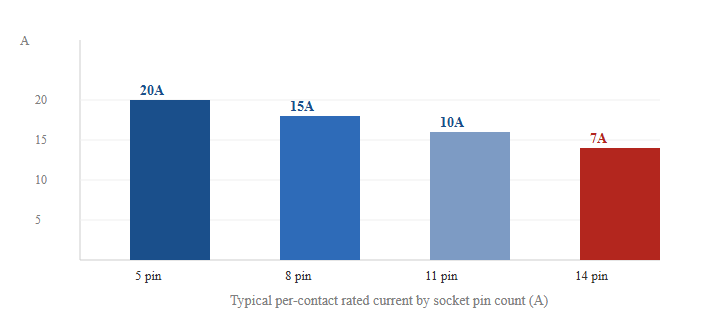
Bar chart illustrating how per-contact current rating typically decreases as pin count and the number of switching contacts increase; actual ratings vary by individual product specification.
Key Features to Look for in a Relay Socket
Not every relay base is built the same way, and several features can make installation and long-term operation noticeably easier for panel builders and maintenance teams.
Built-In Diode or Surge Protection
Some relay sockets include a built-in diode across the coil terminals, which helps absorb the voltage spike generated when the coil is de-energized, reducing stress on nearby switching components.
Panel and DIN Rail Mounting
Many sockets are designed for direct panel screw mounting or for snap-fit onto a standard DIN rail, which speeds up installation in industrial control cabinets and keeps wiring organized.
Removable or Fixed Contacts
Some relay socket designs use removable contact blades, which can simplify maintenance, while fixed-contact designs generally offer a more rigid and vibration-resistant connection.
Termination Type
Screw terminals, quick-connect tabs, and PCB solder pins are the three most common termination styles, and the right choice depends on whether the socket will be hand-wired in a panel or reflow-soldered onto a circuit board.
Typical Applications for Relay Sockets and Bases
Relay sockets appear wherever a relay needs to be installed in a way that allows quick replacement, whether the system is part of a factory line, a building's electrical distribution panel, or a piece of mobile equipment.
- Industrial control panels and automation cabinets
- Home and commercial security and alarm systems
- HVAC control boards and building automation systems
- Telecommunication equipment and switching cabinets
- Test equipment and instrumentation requiring frequent relay swaps
In each of these settings, the relay socket reduces downtime during maintenance, since a technician can replace a failed relay in moments rather than rewiring a connection point.
How to Match a Relay Socket to Your Relay
Selecting the correct relay base mainly comes down to matching four details between the socket and the relay it will hold.
- Pin count and layout: the socket must physically match the relay's pin arrangement
- Current and voltage rating: the socket's rating should comfortably cover the relay's switched load
- Mounting method: panel screw, DIN rail, or PCB solder pins, depending on the installation location
- Termination style: screw terminal, quick-connect tab, or solder pin, depending on how the panel is wired
Checking these four points before ordering helps avoid a mismatch that would otherwise require reworking the panel layout later.
Materials and Build Quality
Relay sockets are typically molded from durable, insulating materials such as engineering plastic, chosen for dielectric strength and resistance to heat generated during normal switching operation. Contact terminals are commonly made from copper alloys with a plating layer to maintain low contact resistance and resist corrosion over repeated relay insertions. A well-built relay socket should hold the relay firmly enough to resist loosening from vibration, while still allowing the relay to be removed and reinserted without excessive force.
About Ningbo Helishun Electron Co.,Ltd.
Ningbo Helishun Electron Co.,Ltd. was founded in 2000 and is located in Ningbo City, on the coastline of the East Sea. The company now covers 8800 square meters and is specialized in researching, developing, and producing relays, including a range of relay socket and relay base products designed to match common 5-pin, 8-pin, 11-pin, and 14-pin relay footprints.
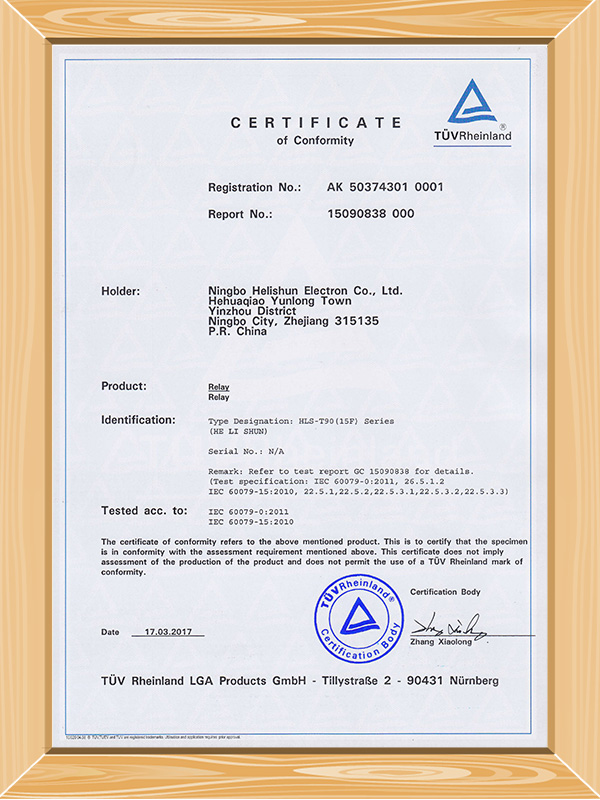
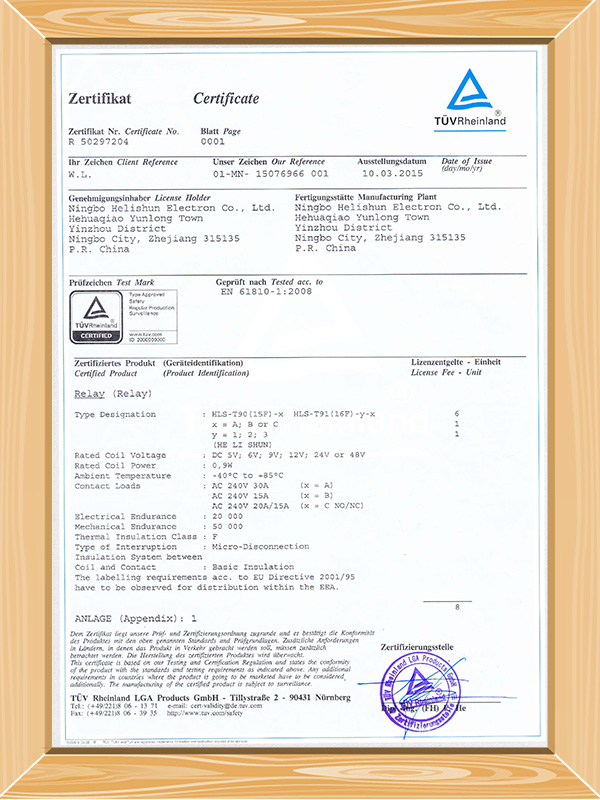
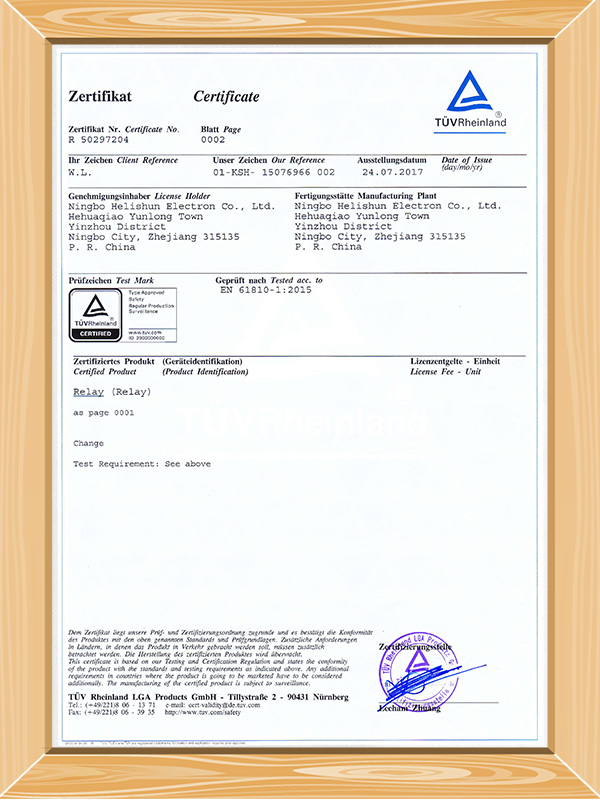
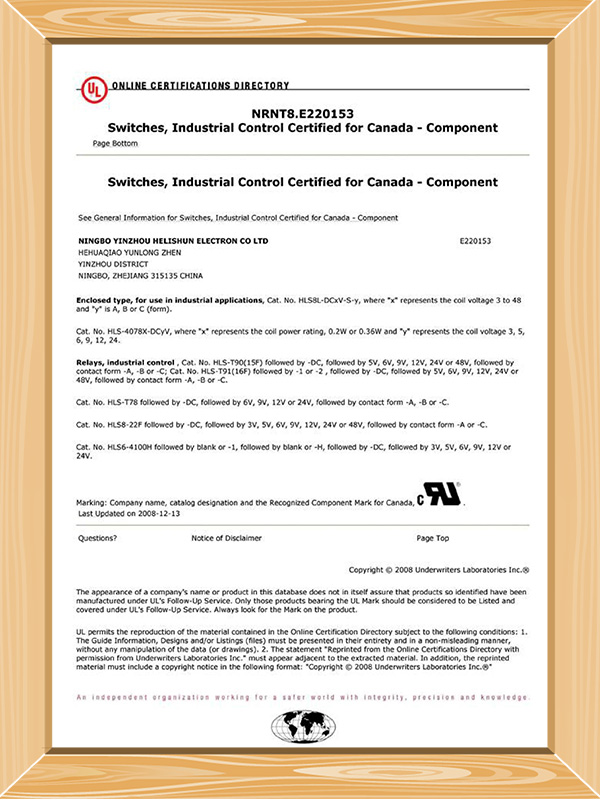
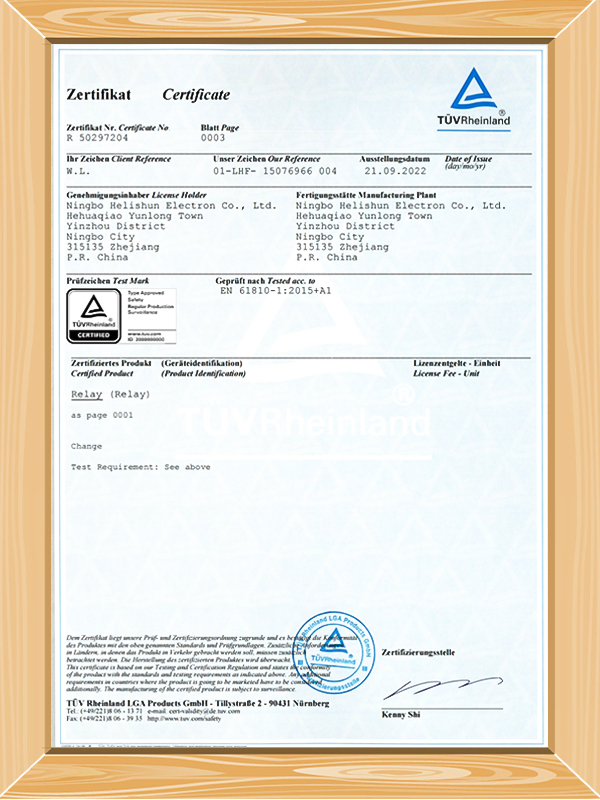
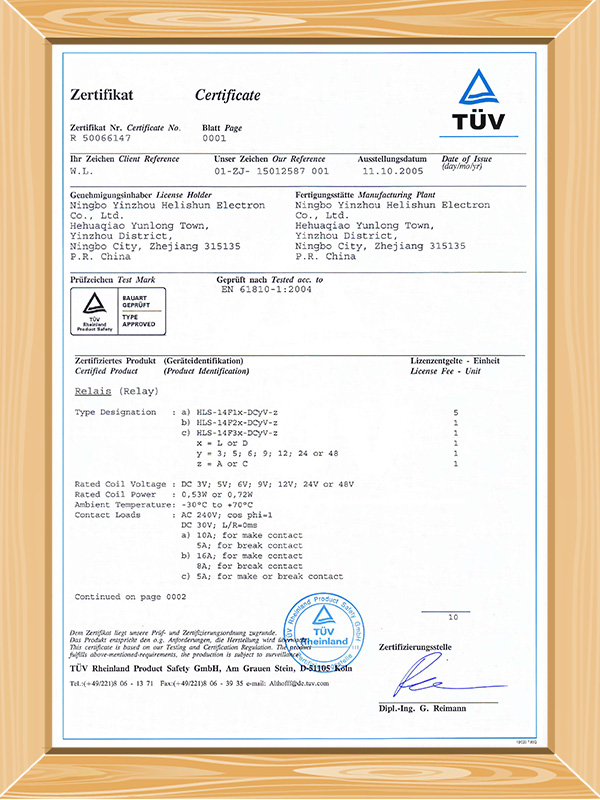
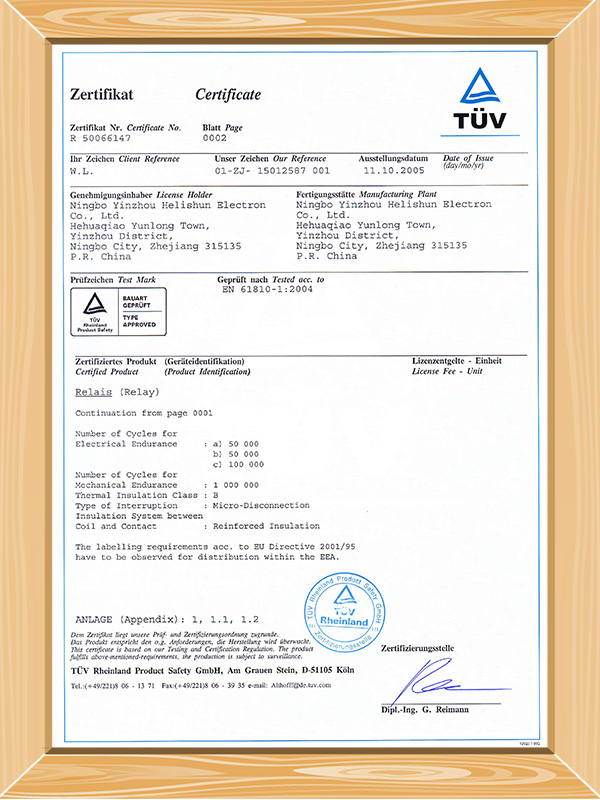
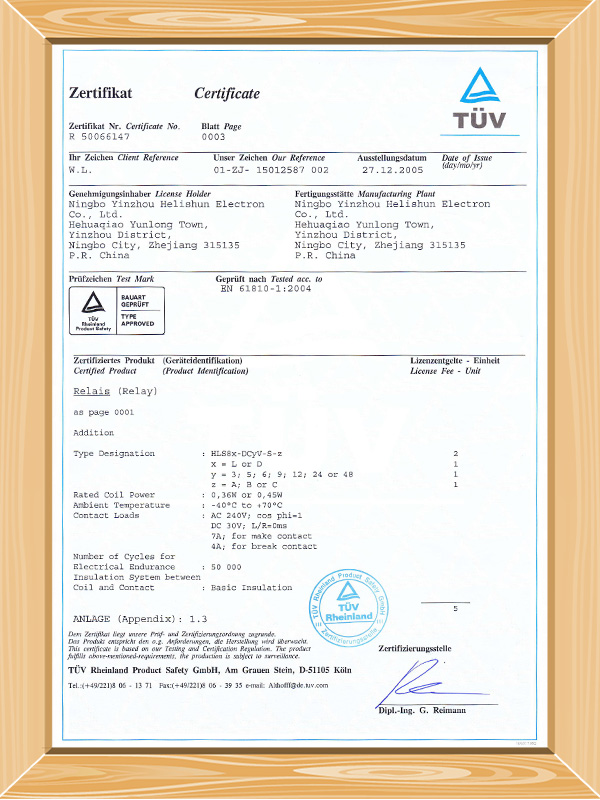
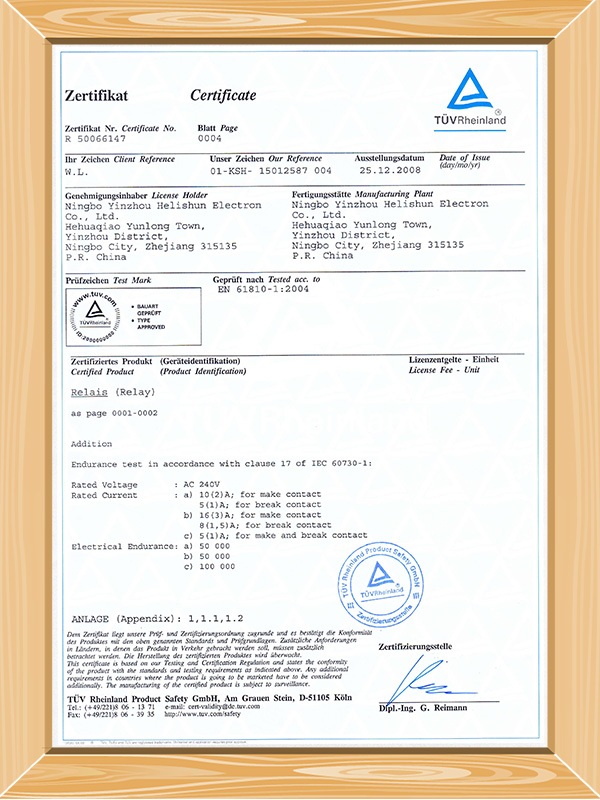
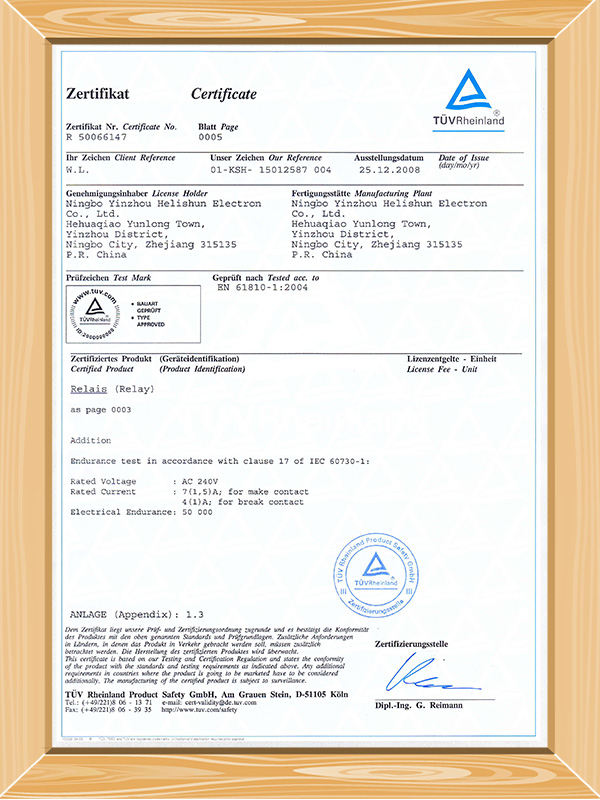
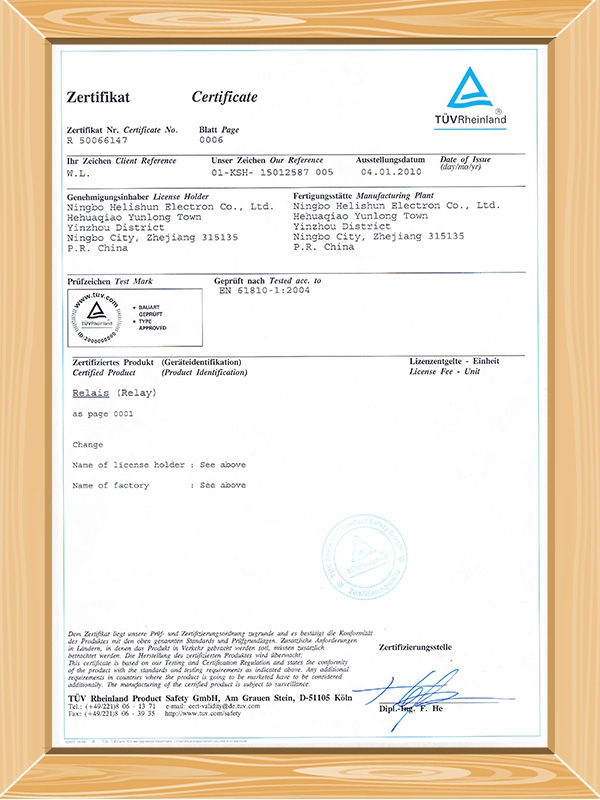
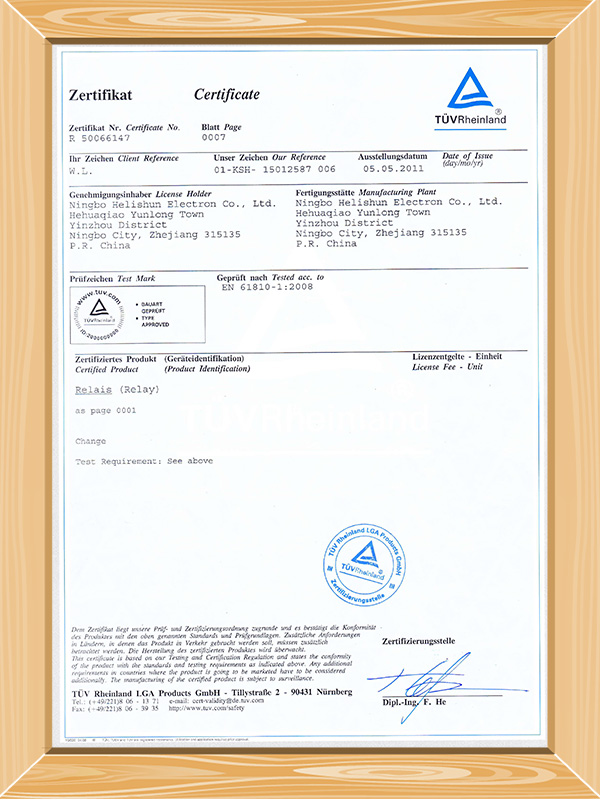
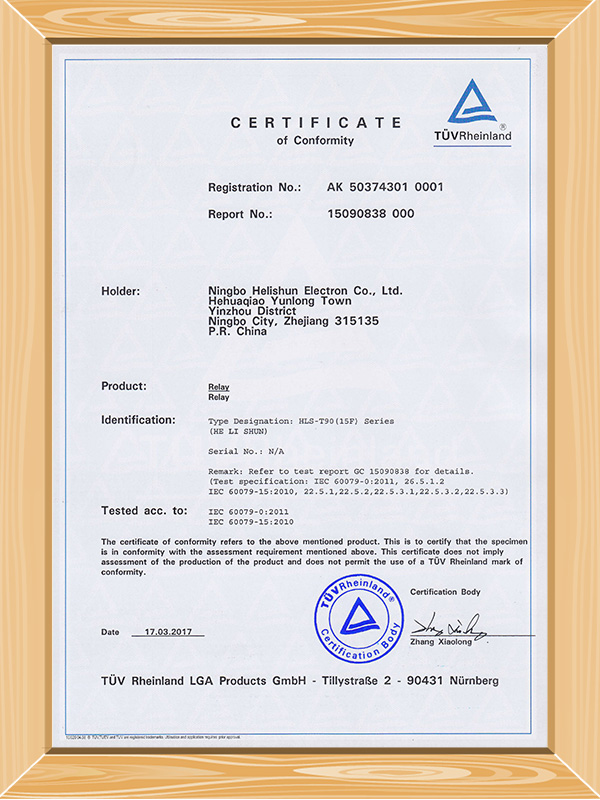
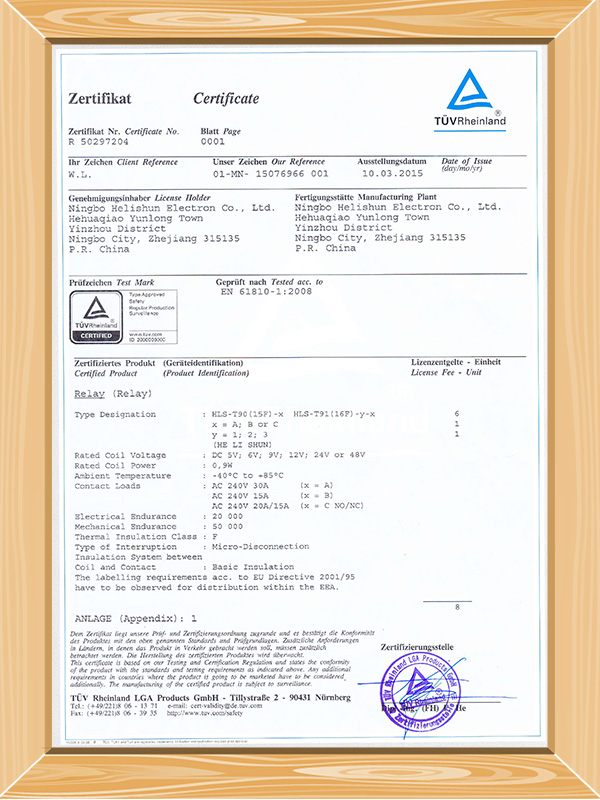
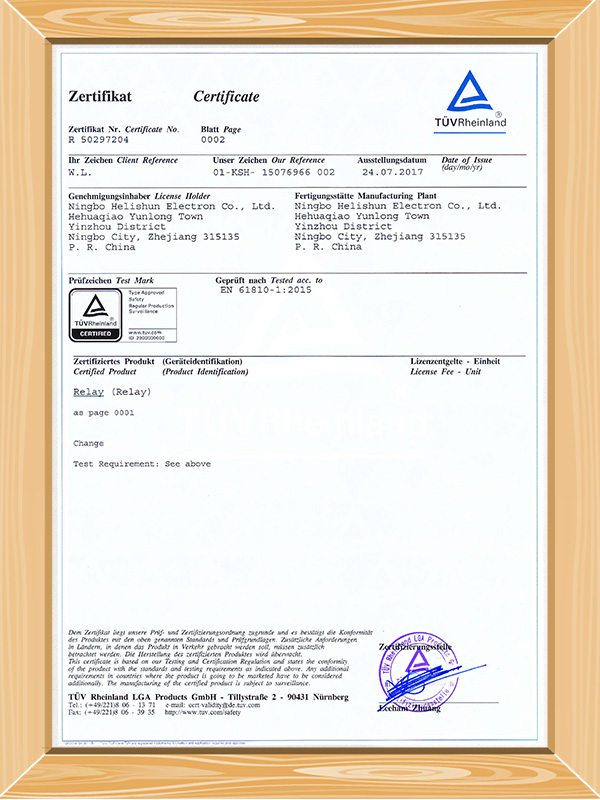
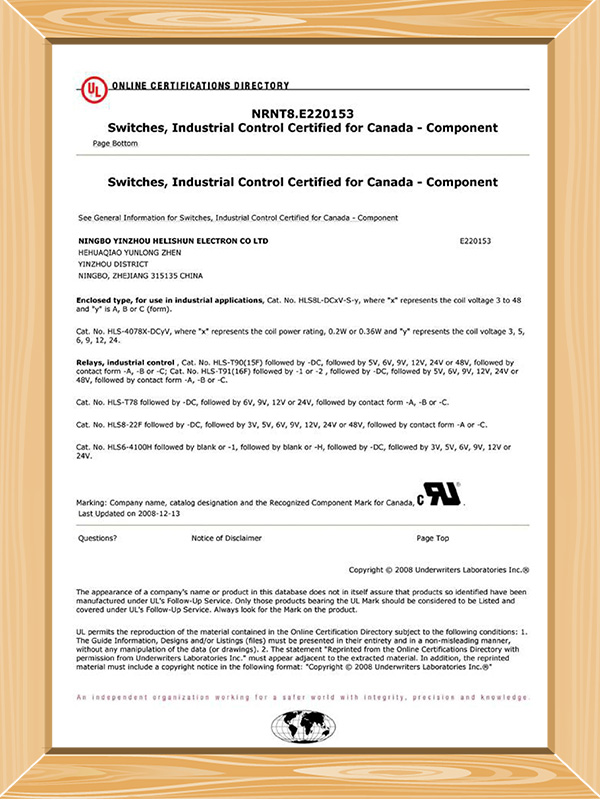
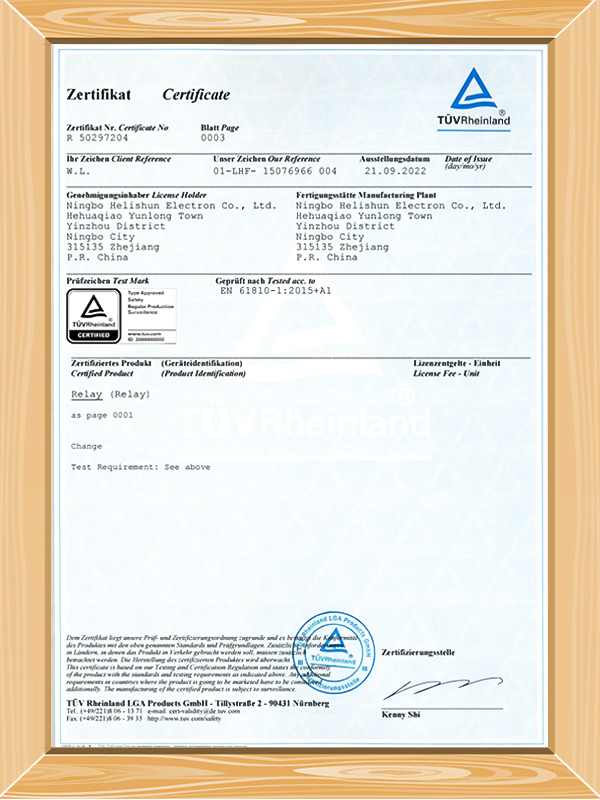
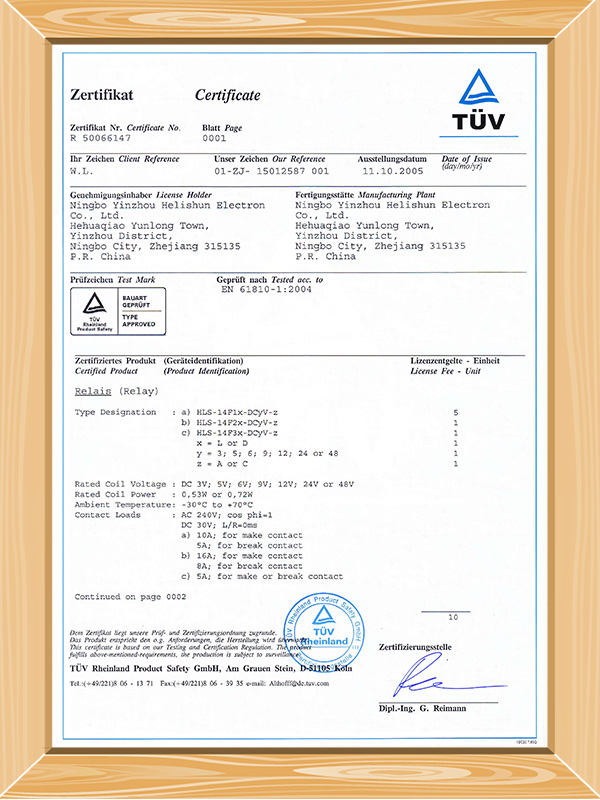
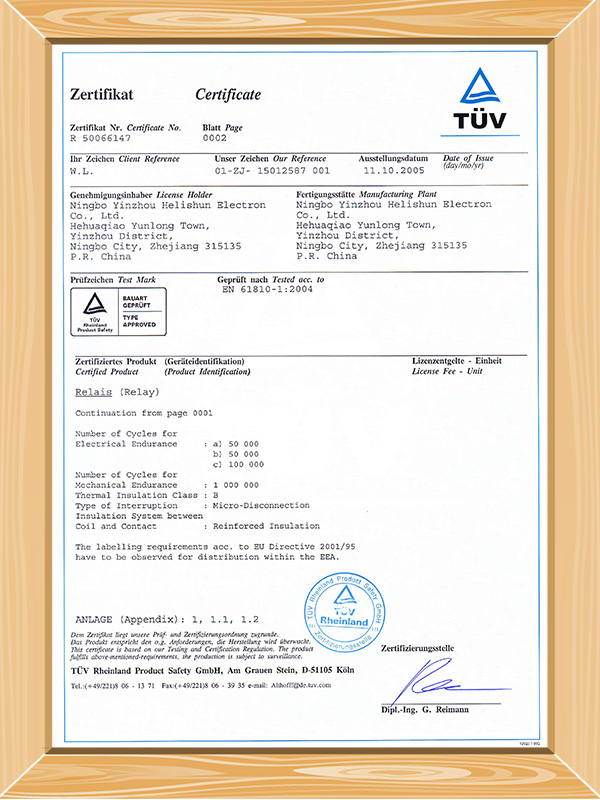
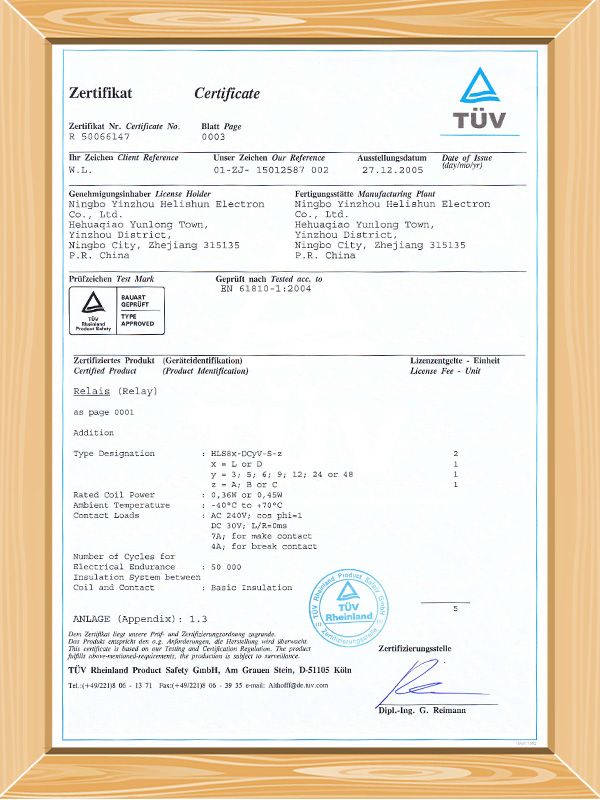
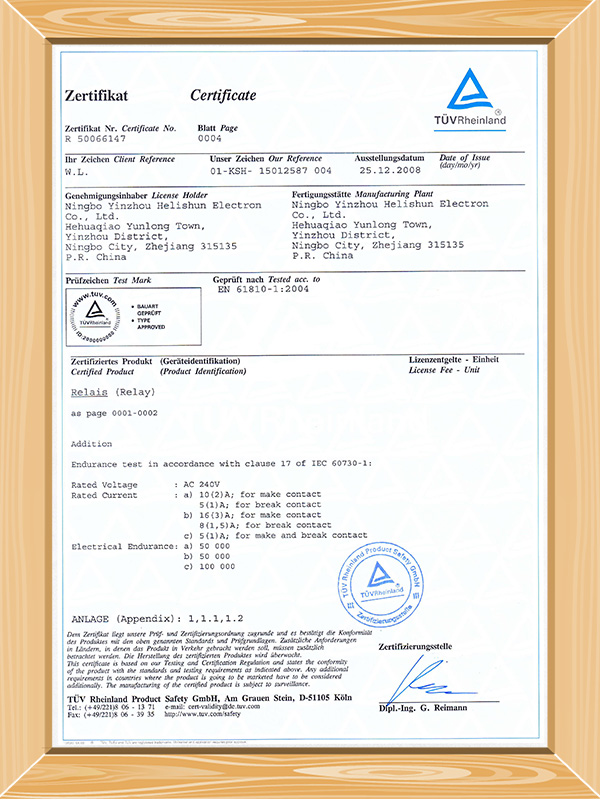
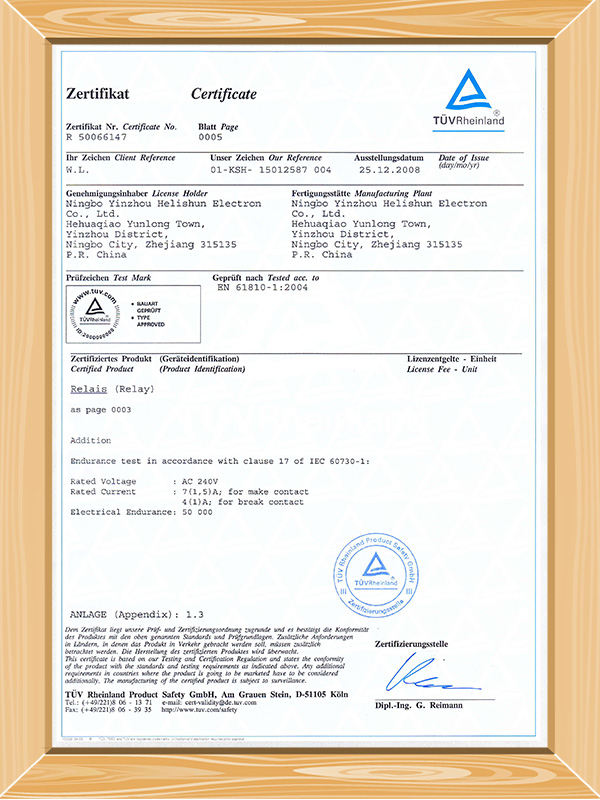
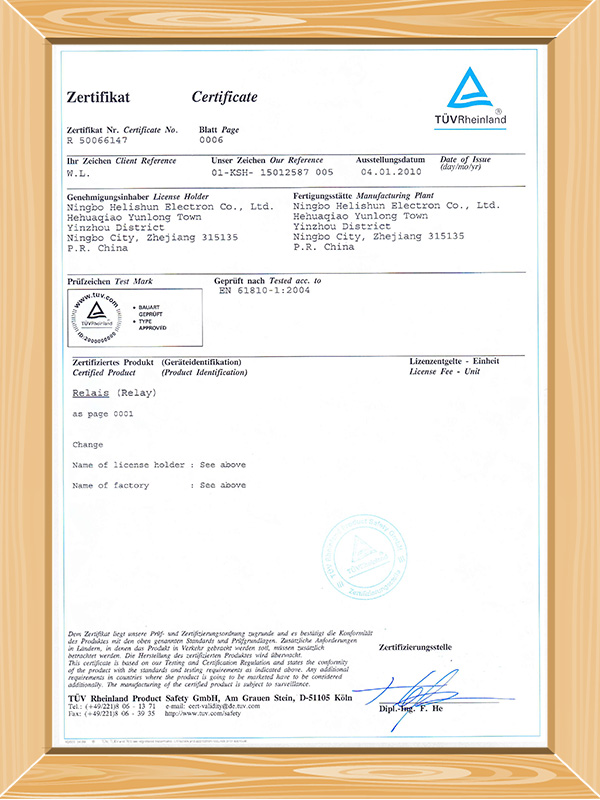
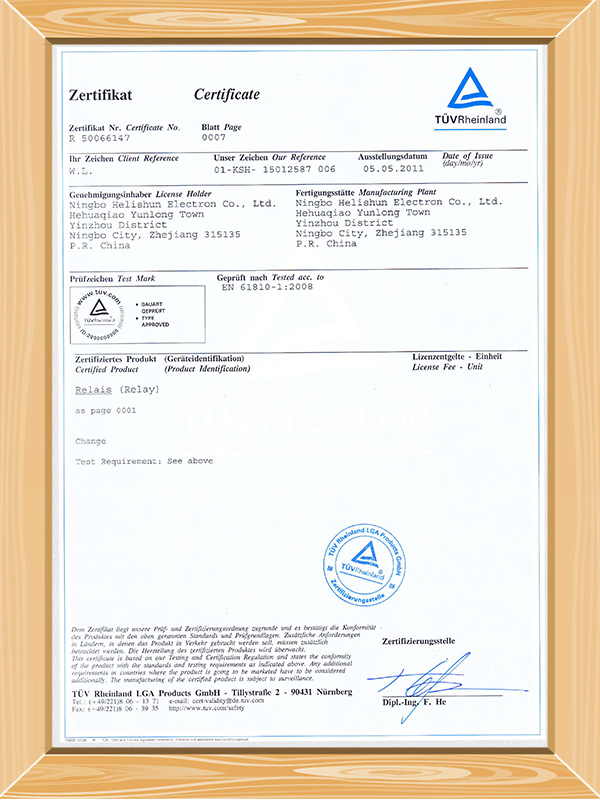
The company has introduced advanced technology and testing equipment from home and abroad and has built up a dependable quality management system, having passed ISO9001:2015 quality system certification. The characteristics and mounting layout of its products are kept consistent with international counterparts, and its products have gained certificates including UL, TUV, CE, and CQC, while complying with the EU RoHS requirement. "HELISHUN" relays and relay sockets are sold in both home and overseas markets and are used in household electrical appliances, telecommunication equipment, automation control, automobiles, and instruments and meters.
Ningbo Helishun pursues high quality through all-round management and careful manufacturing, aiming to earn customer satisfaction through outstanding product quality and responsive service. The company welcomes customers from home and abroad to visit its facility, and welcomes OEM and ODM partners interested in extensive cooperation.
Frequently Asked Questions
Q1: What is the difference between a relay socket and a relay base?
The two terms are generally used interchangeably to describe the plug-in holder that secures a relay and provides its wiring terminals.
Q2: Can any relay be plugged into any relay socket?
No, the socket's pin count and physical layout must match the relay being used, so pin count and footprint should always be checked before pairing a relay with a socket.
Q3: Why do some relay sockets include a built-in diode?
A built-in diode helps absorb the voltage spike produced when the relay coil is switched off, which can reduce stress on nearby control circuitry.
Q4: Are relay sockets suitable for DIN rail mounting?
Many relay socket designs include DIN rail clips, which makes them a common choice for industrial control panels that follow standard cabinet layouts.
Q5: What termination styles are available on relay sockets?
Common options include screw terminals, quick-connect tabs, and PCB solder pins, chosen based on whether the socket will be hand-wired or soldered onto a board.




 English
 中文简体
中文简体