



 English
 中文简体
中文简体Content
In modern automobiles, automotive relays are indispensable and crucial components in the electrical system. They are primarily used to control circuits with high current draw, triggering high-current switches with a small current, thereby ensuring the safety and stability of the vehicle's circuitry.
Typically, automotive relays control critical components in a vehicle, including headlights, windshield wipers, air conditioning compressors, power windows, fuel pumps, and heaters. These components require significant current to operate. Direct control via switches could easily lead to circuit overload or switch damage, a problem effectively solved by relays.
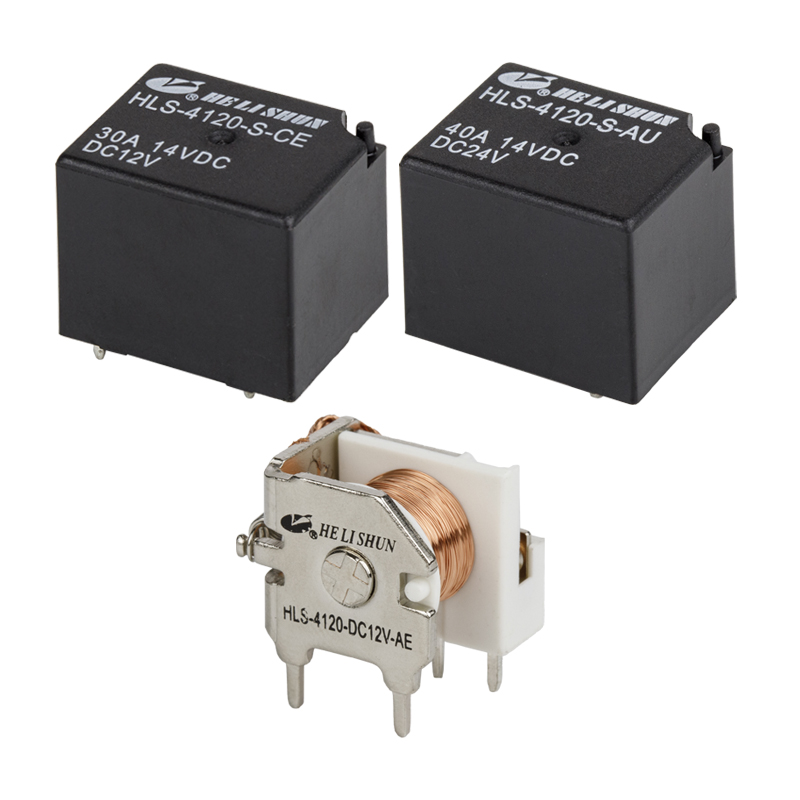
Main Functions and Roles of Automotive Relays
The core function of automotive relays is current amplification and circuit protection. When the driver operates a switch on the dashboard, the relay uses a small current to control a large current, activating the corresponding automotive component by closing or opening the circuit. Besides improving circuit safety, relays also extend the lifespan of switches and electrical equipment, reducing heat generation and wear in the wiring. In automotive circuits, relays typically act as "control switches," enabling the efficient operation of complex circuit systems.
Common Automotive Relay Control Components Explained
Headlights and Fog Lights: Automotive relays control the operation of high beams, low beams, and fog lights, preventing damage to the light switches from frequent high-current operation.
Fuel Pump: The fuel pump operates with a large current; relay control ensures stable fuel supply to the engine and improves safety.
Windshield Wipers: The wiper motor requires a large instantaneous current; relays ensure smooth wiper operation at different speeds.
Air Conditioning Compressor and Fan: Relays control the start and stop of the air conditioning system, ensuring efficient compressor operation.
Power Windows and Heaters: Relays provide a stable current to these high-power components, preventing malfunctions caused by circuit overload.
Precautions for Selecting and Maintaining Automotive Relays
Selecting the right automotive relay is crucial for ensuring the long-term stable operation of the vehicle's electrical system. When purchasing, users should pay attention to the relay's current capacity, operating voltage, contact material, and compatible vehicle models. Regularly checking the relays and sockets for corrosion, loosening, or overheating can effectively prevent automotive electrical faults.
In summary, automotive relays play a crucial role in automotive circuits, acting as "small switches with big controls." They not only control important components such as headlights, fuel pumps, and windshield wipers, but also ensure the safety and reliability of the automotive electrical system. Understanding the function and application of automotive relays is of great significance for automotive repair, maintenance, and electrical system modifications.


